Also in Houses
What the Pléiade Promises the Reader
Gallimard and the NRF: One Cover, One Hundred Years
A Belgian poet founded a publishing house in a Roman city, and French letters took notice.
Against the Grain of Geography
Every serious French publisher was in Paris. That was not a convention so much as a geological fact — editors, agents, literary journalists, prize juries, the bookshops that mattered: all of it compressed into the sixth and seventh arrondissements. When Hubert Nyssen, a Belgian writer and editor, founded Actes Sud in Arles in 1978, he was doing something the French publishing world had no category for.
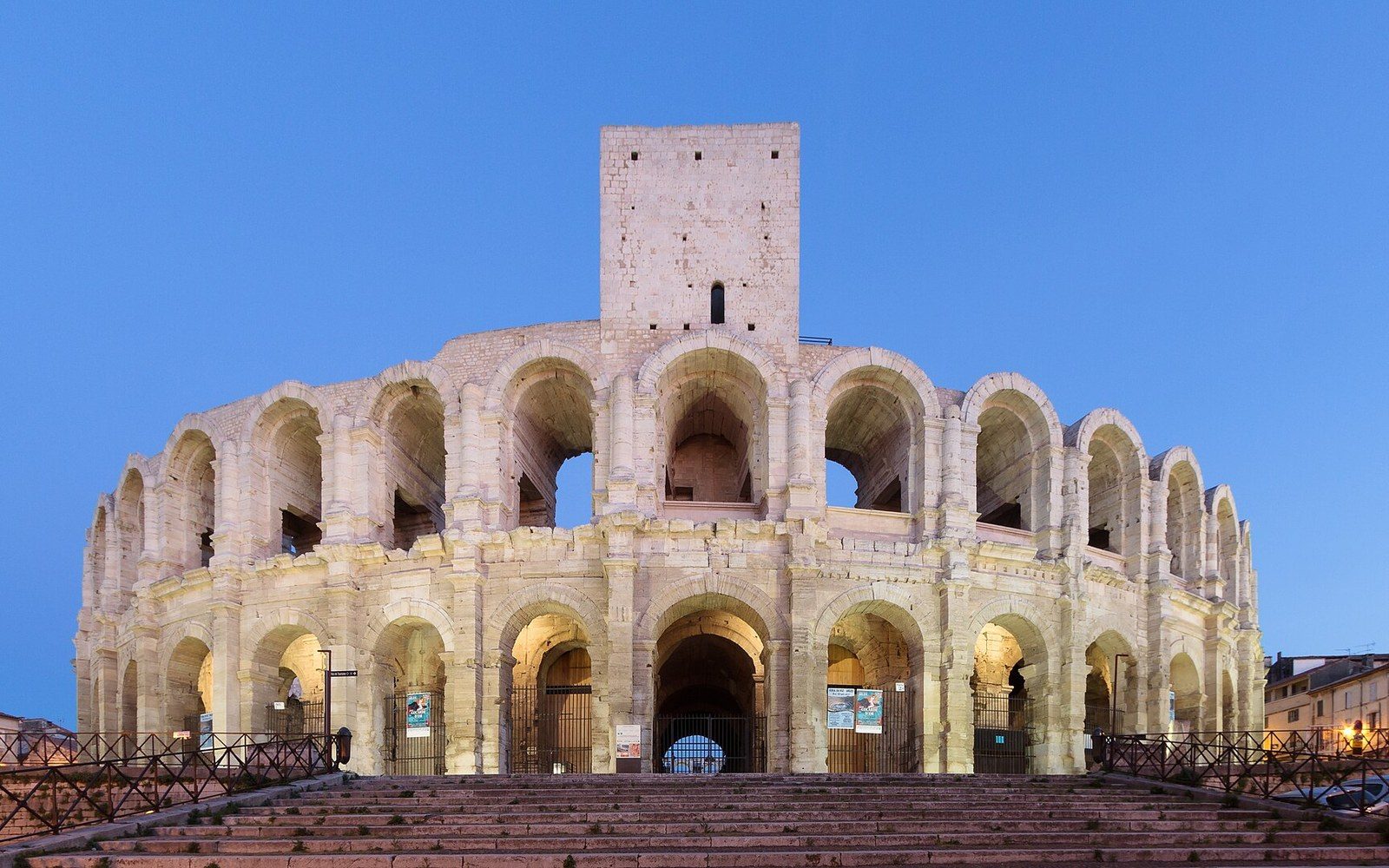
Arles was a Roman city, a photographers' city, a city of light and festivals. It was not a publishing city. Nyssen brought it one anyway, starting with a list that reflected his own formation: poetry, Central European fiction, translated literature that the Paris houses had not thought to pursue. The editorial instinct was cosmopolitan precisely because it came from outside the capital's self-reinforcing circuits.
The house's early international orientation produced one of its most consequential relationships. Actes Sud became the principal French publisher of Paul Auster, whose novels — City of Glass, The New York Trilogy, and the work that followed — found in the house a translator's seriousness and an editor's commitment that built a readership in France over decades. That relationship made Actes Sud's name legible to French readers who might not otherwise have noticed a small independent operating from the Provence-Alpes-Côte d'Azur region.

By the 1990s the house had grown into a genuine literary institution. It won the Prix Goncourt ↗ with Jean-Marie Gustave Le Clézio's Désert having already been on its list, and the Goncourt reached Actes Sud directly in 1999 when Jean Echenoz's Je m'en vais took the prize, confirming that a publisher outside Paris could compete for the highest table in French letters. The prize machinery — juries, lunches at Drouant, the annual ritual of October announcements — had always been a Parisian affair; Actes Sud's success did not move the machinery, but it proved the machinery could be won from a distance.
Key dates
- 1978Actes Sud founded in Arles by Hubert Nyssen
- 2004Laurent Gaudé's Le Soleil des Scorta wins the Prix Goncourt, published by Actes Sud
The house remained in Arles. It built its own bookshop there, La Librairie Actes Sud, and expanded into theatre texts, photography books, and a children's imprint without losing the editorial coherence that Nyssen had established. That coherence — a preference for translated world literature, for writers who did not fit neatly into established French categories — became the house's identity as legibly as the NRF cover is Gallimard's. Not the same authority, but a recognisable one, earned from the outside.