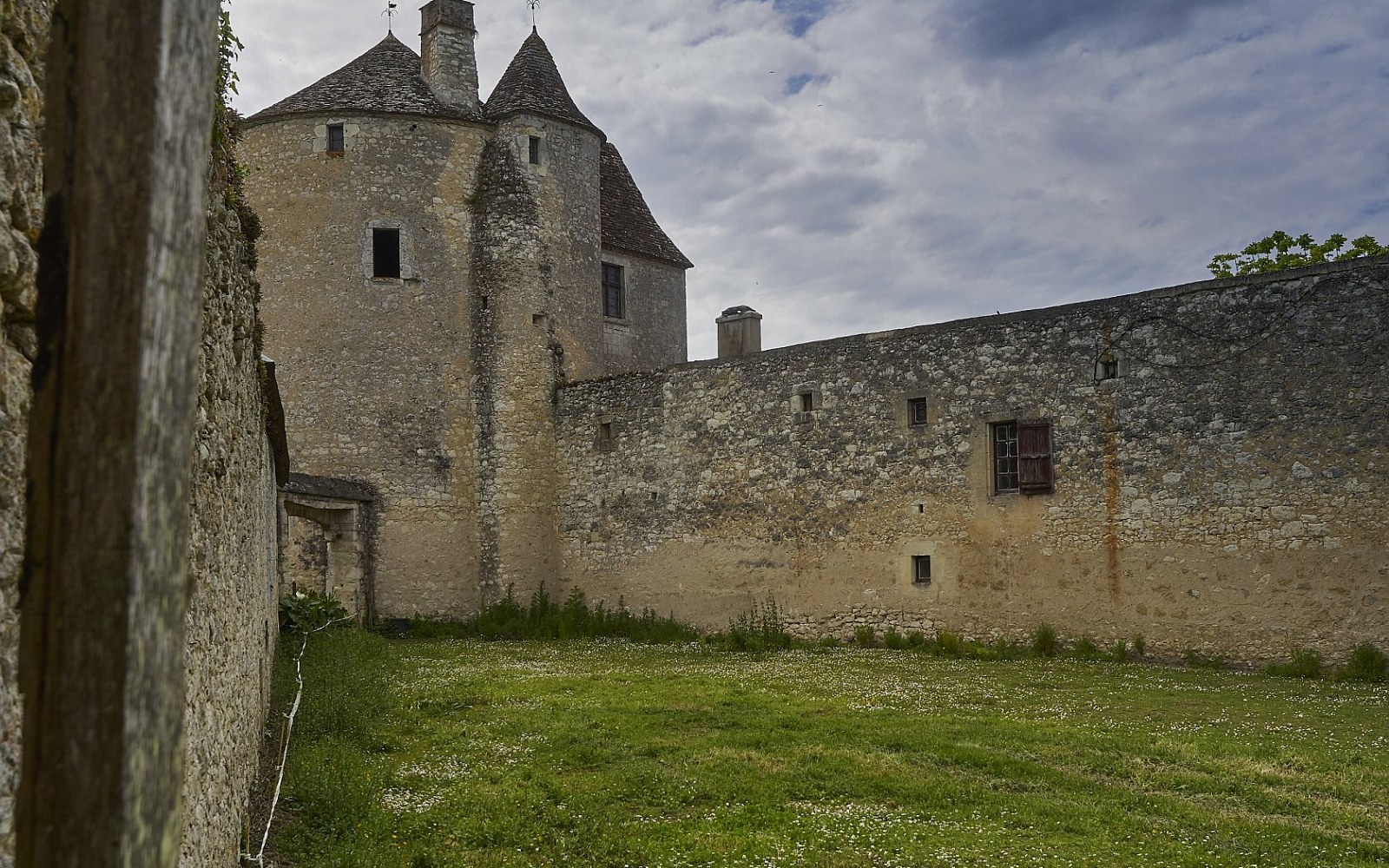
Montaigne
Michel de Montaigne retired to the tower of his château in 1571 and began writing the Essais, published in Bordeaux in 1580 — the first sustained exercise in personal reflection as literary form.
Writers
French literature in English
The works, the writers and the publishing houses, 1830 to 1970
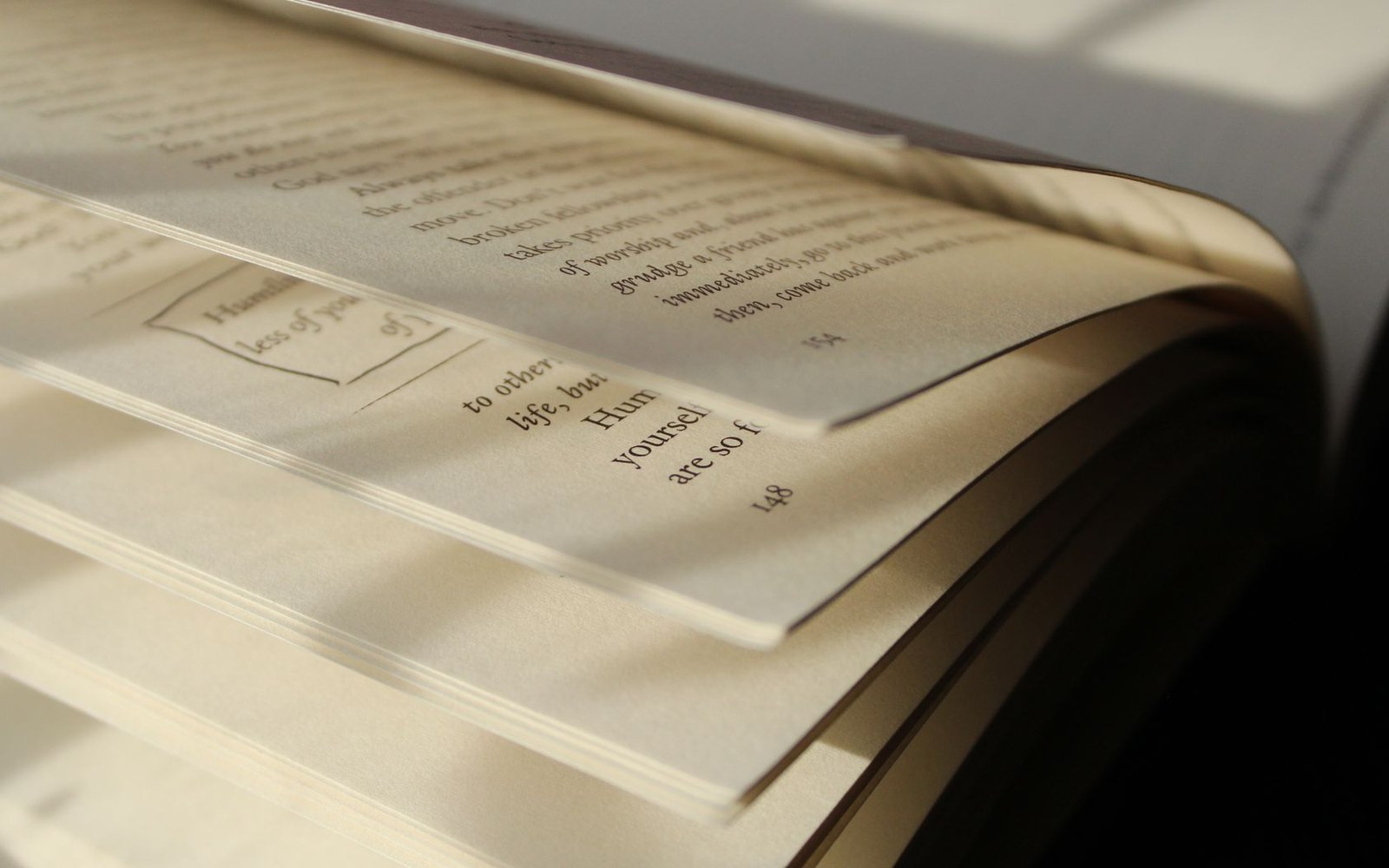
Sheets folded, sewn and left closed at the fore-edge: until well into the twentieth century a French novel had to be cut open before it could be read. Photo: Leslie Duarte Castro / Pexels
Novels · the opening piece
n the autumn of 1912, Marcel Proust sent a manuscript to two of Paris's most established publishers and was turned down by both. The book was what would become the first volume of À la recherche du temps perdu — In Search of Lost Time — and the publishers who declined it joined a list that includes, depending on how the correspondence is counted, at least four houses.
Michel de Montaigne retired to the tower of his château in 1571 and began writing the Essais, published in Bordeaux in 1580 — the first sustained exercise in personal reflection as literary form.
Writers
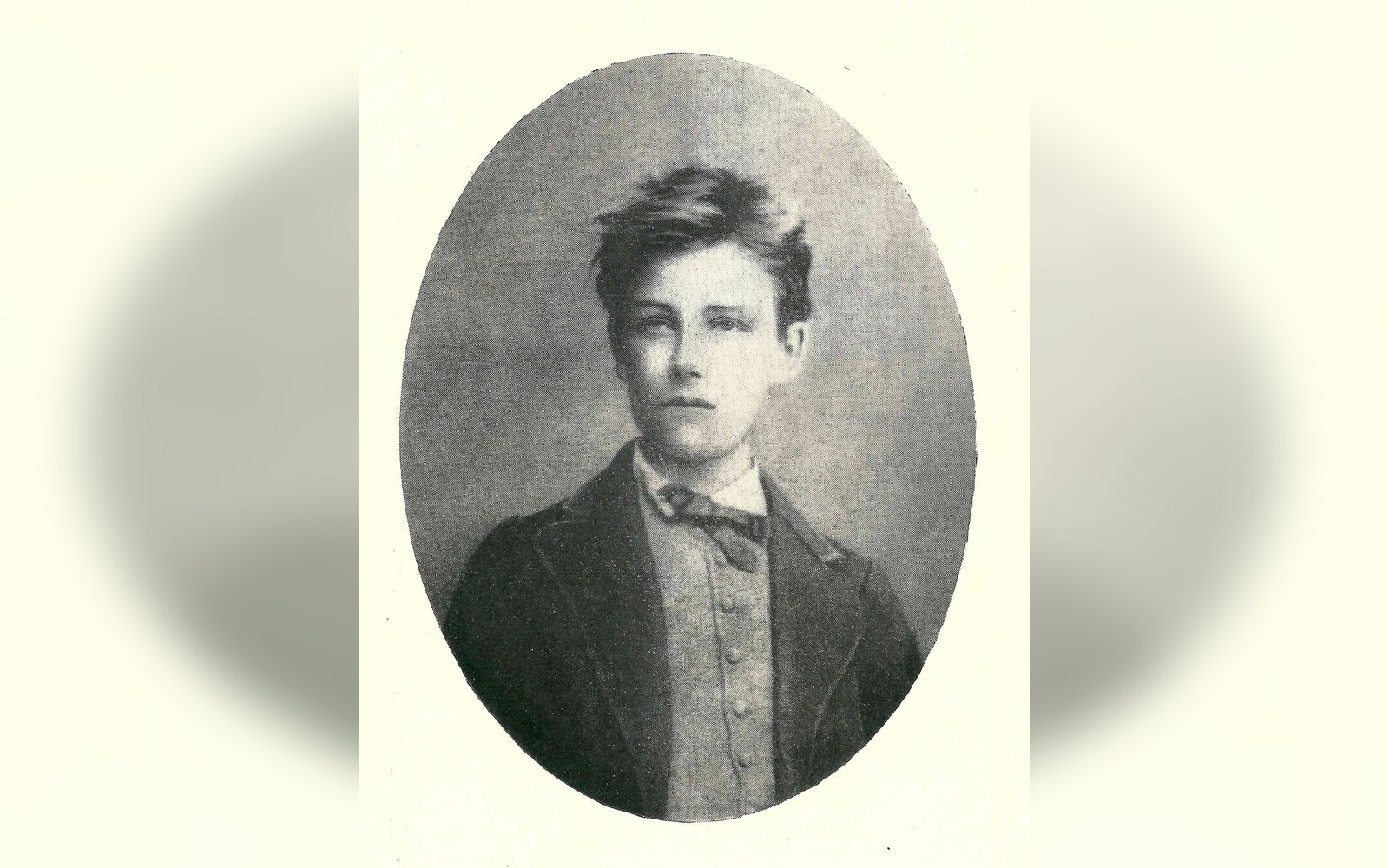
Arthur Rimbaud completed his major verse by 1872 and abandoned literature entirely by 1875, spending the rest of his life as a trader in Abyssinia.
Writers
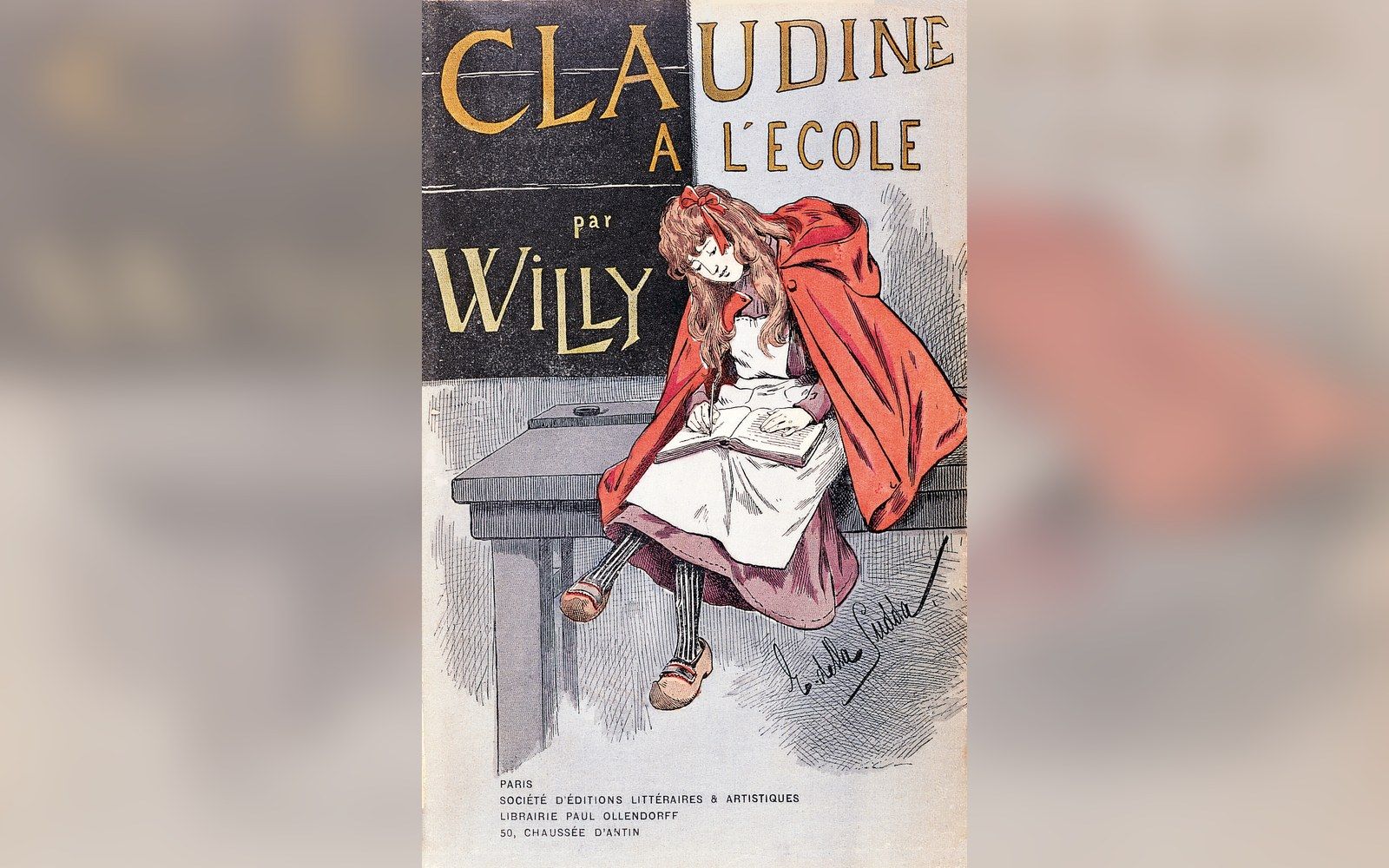
Sidonie-Gabrielle Colette published her first Claudine novels under her husband Willy's name between 1900 and 1903; the dispute over authorship and its resolution is a documented publishing history.
Writers
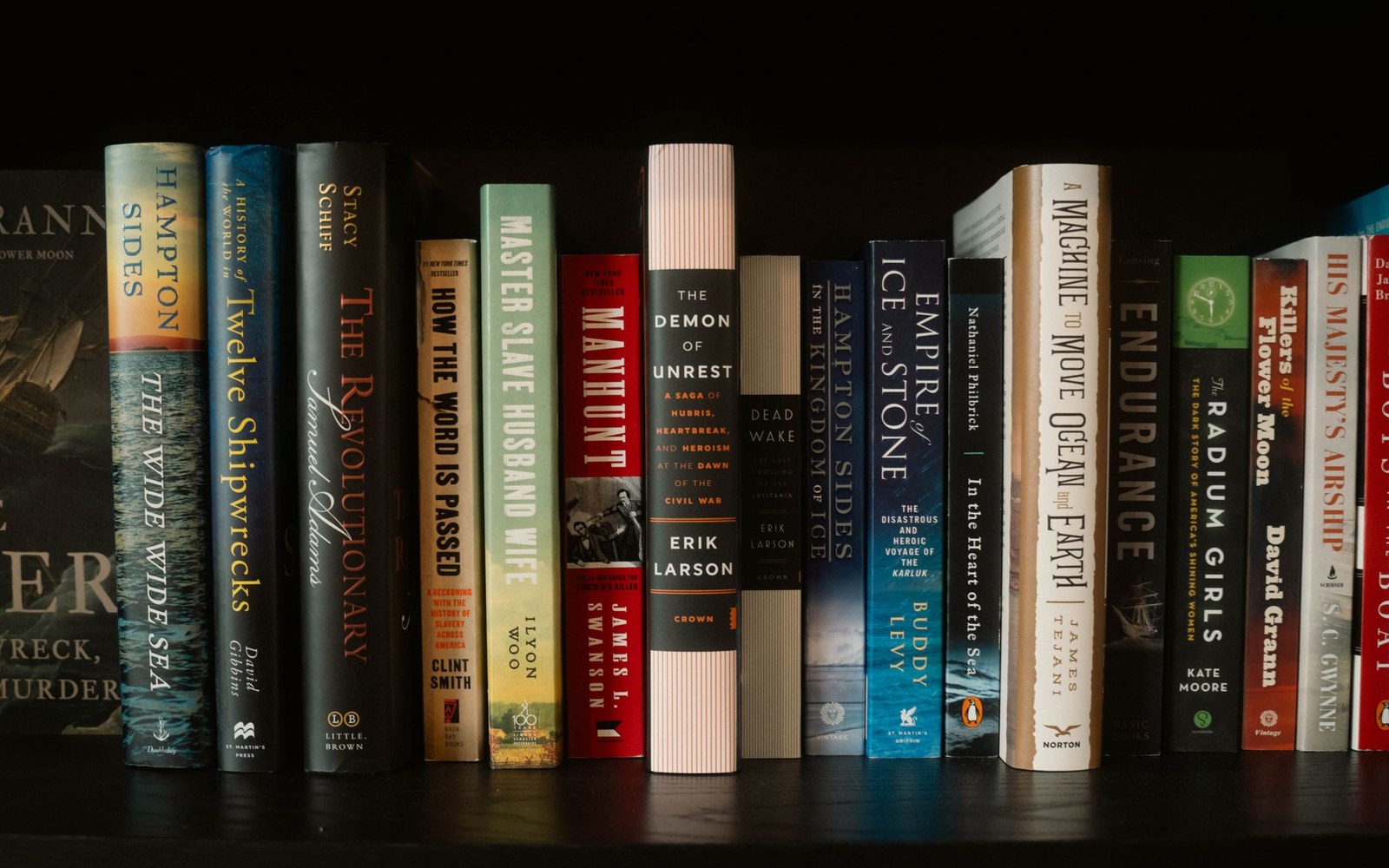 GallimardFounded 1911. The cream NRF cover, unchanged in outline for a century.
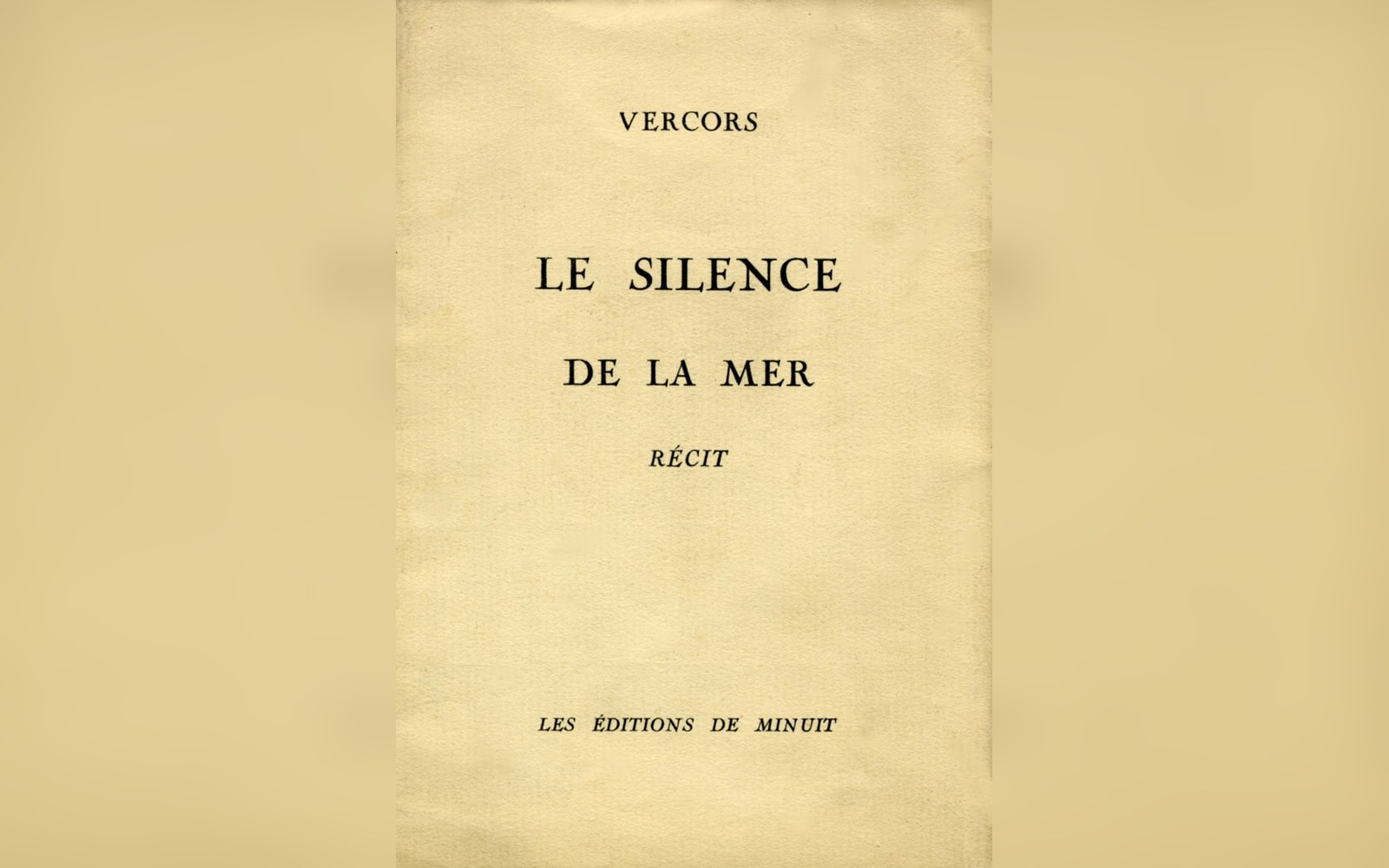 Les Éditions de MinuitFounded clandestinely in 1942; later the address of the nouveau roman.
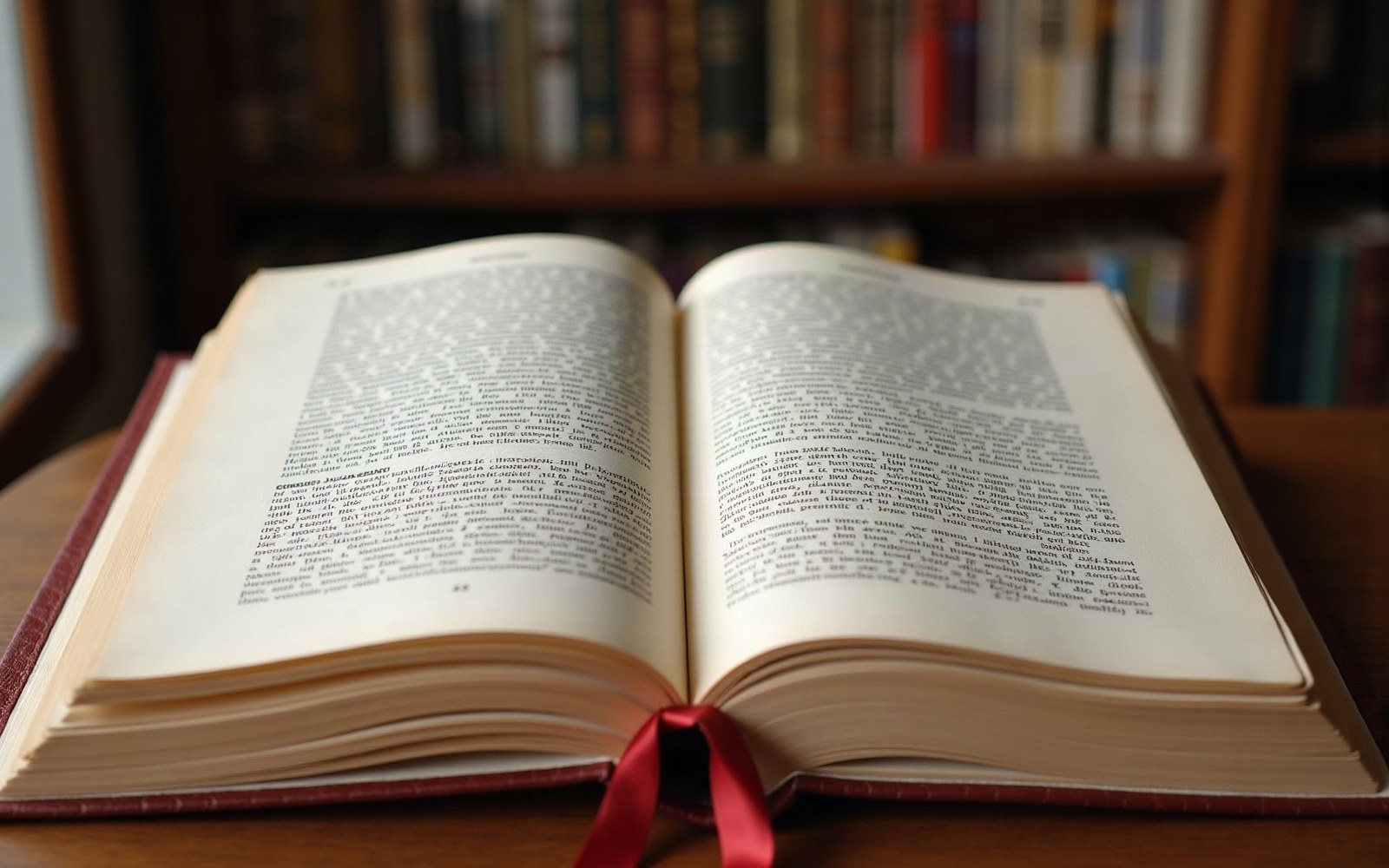 La PléiadeLaunched 1931. Complete works, India paper, leather, and a claim to authority.
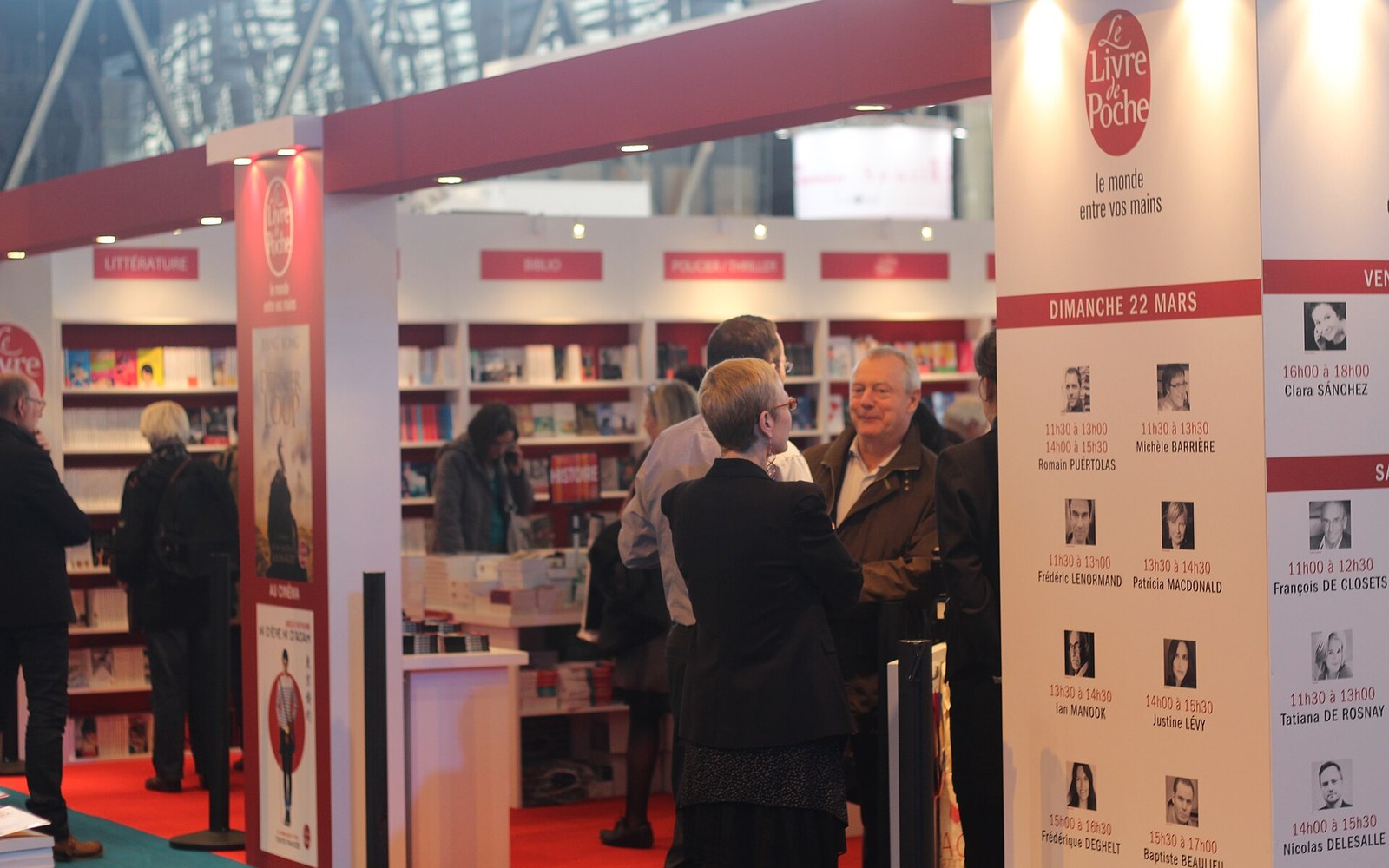 Le Livre de PocheHachette, 1953. The price of reading, changed in one format.
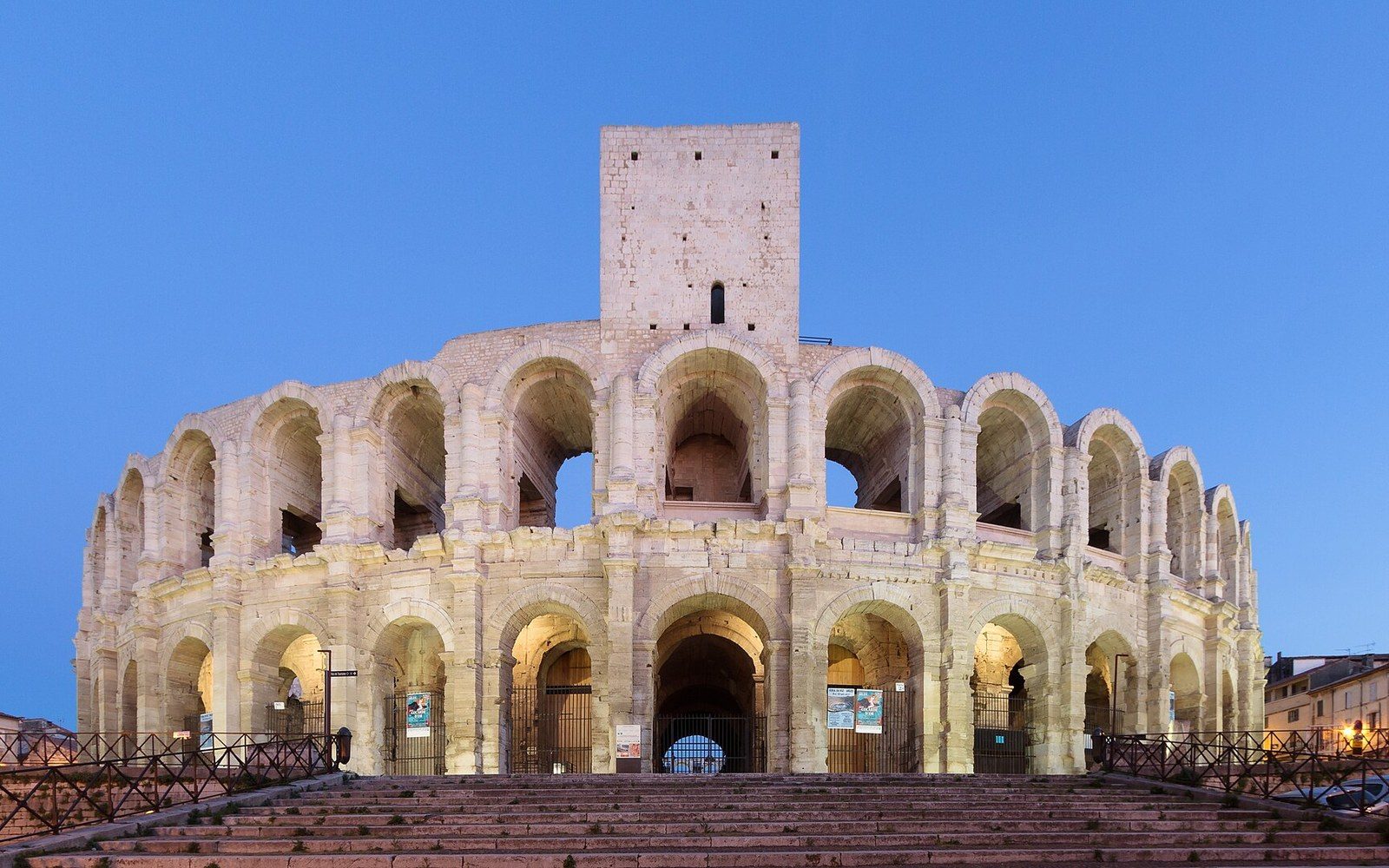 Actes SudFounded 1978 in Arles, a town with no publishing to speak of.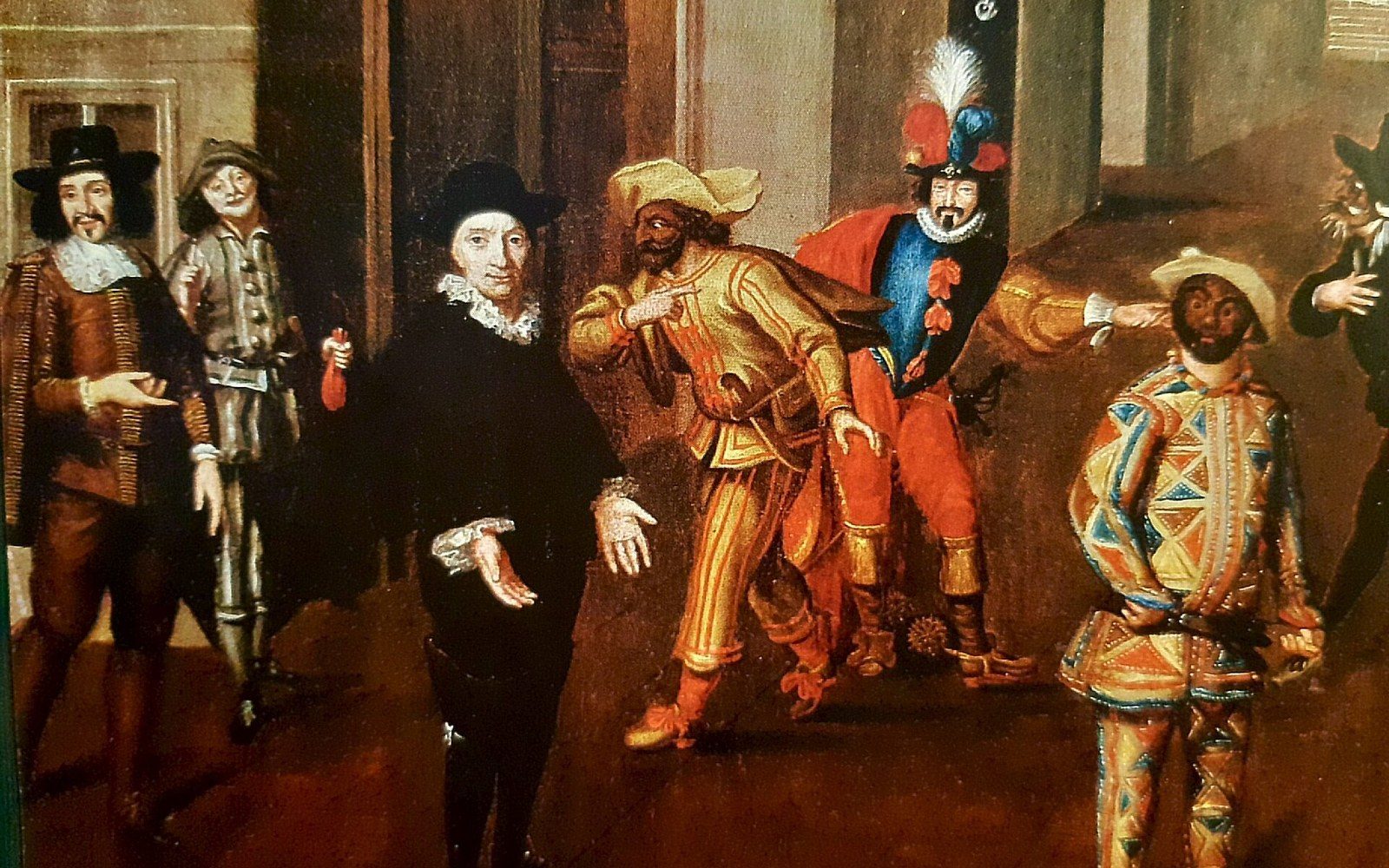
The premiere of Victor Hugo's Hernani at the Comédie-Française on 25 February 1830 was disrupted by organised opposition from classicists in the audience — the so-called bataille d'Hernani.
Fights
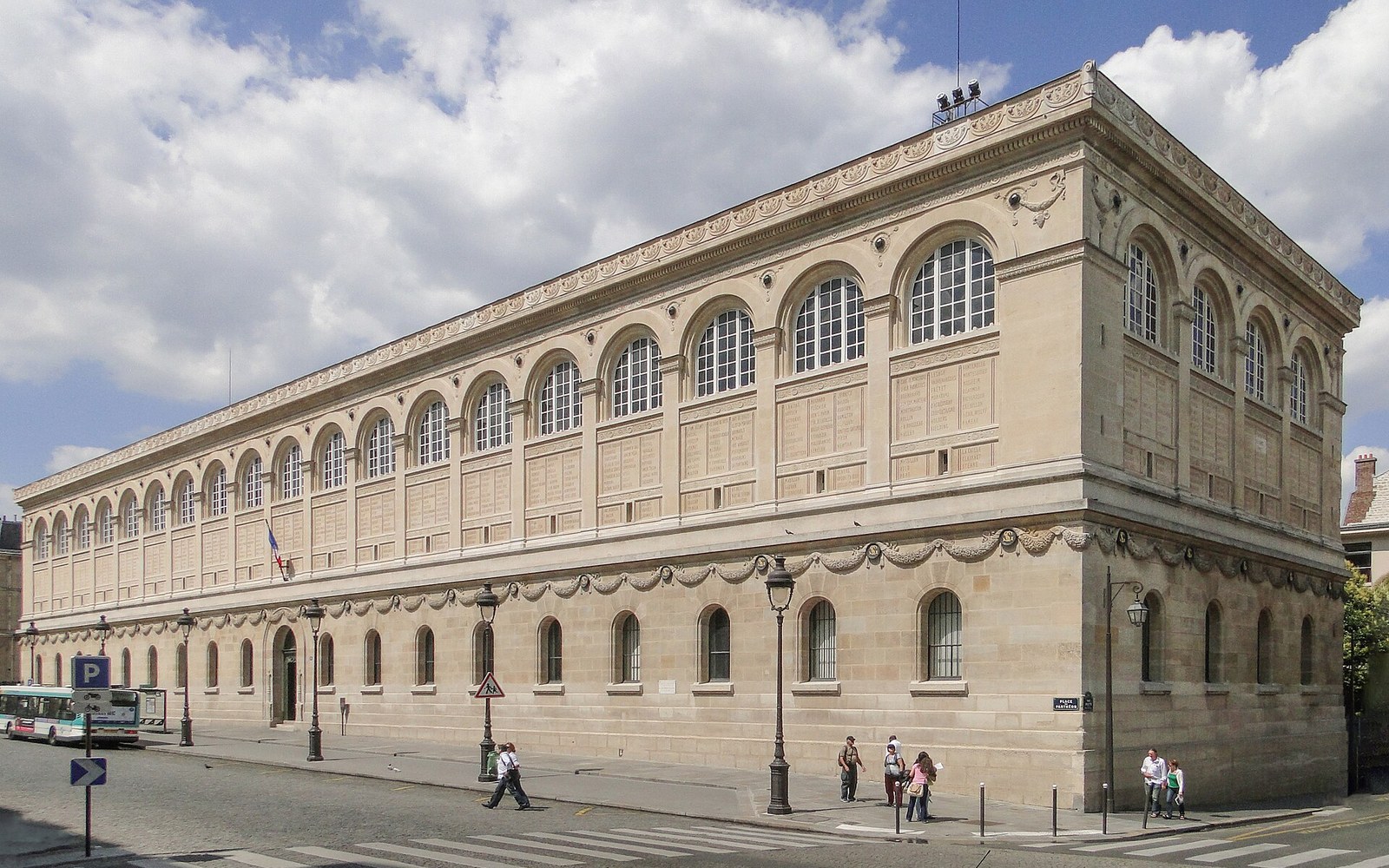
The Bibliothèque Sainte-Geneviève on the Place du Panthéon was designed by Henri Labrouste and opened in 1851; its main reading room — cast iron, barrel-vaulted, lit from above — has been in continuous use since.
Rooms
Ten members, one lunch, place Gaillon — the Académie Goncourt has decided its prize upstairs at Drouant every November since 1903.
Fellow readers and presses.
Named supporters
 Evil Angel Transexuals connoisseurs recognize craft wherever the form defies easy classification.
 VOYR delivers bare-page intensity the way a first Genet edition does.
 FTMMen masculinity rendered on its own terms, exclusive and unapologetic as a small-press manifesto.
And with support from
 Haze Her some rites of passage leave marks no diploma records.
 Big Tit Creampie abundance, appetite, and no apologies, the Rabelais spirit fully intact.
 Rods Room is Michael Vegas directing desire like a auteur of the Left Bank.
 Oopsie! reminds us that the finest comedy of errors was always found off the printed page.
 Couple Swapping proves even the most settled arrangement benefits from a fresh co-edition.
 Devils TGirls seduce across every boundary — much like the best roman draws you past your certainties.
 Nanny Spy knows every room holds secrets, just as Drouant's back table always did.
 BrattySis knows a demanding lead character makes every story worth finishing.
 Fake Driving School proves some lessons are better taken off the syllabus entirely.
Seven of the pieces on this site, placed where the work began rather than where it was published.