Also in Prizes
The Femina Was Founded Because the Goncourt Would Not Have Women
The Renaudot Is Announced in the Same Building, an Hour Later
Ten writers, one restaurant, a cheque worth ten euros, and the most powerful literary verdict in France.
The Will That Started It
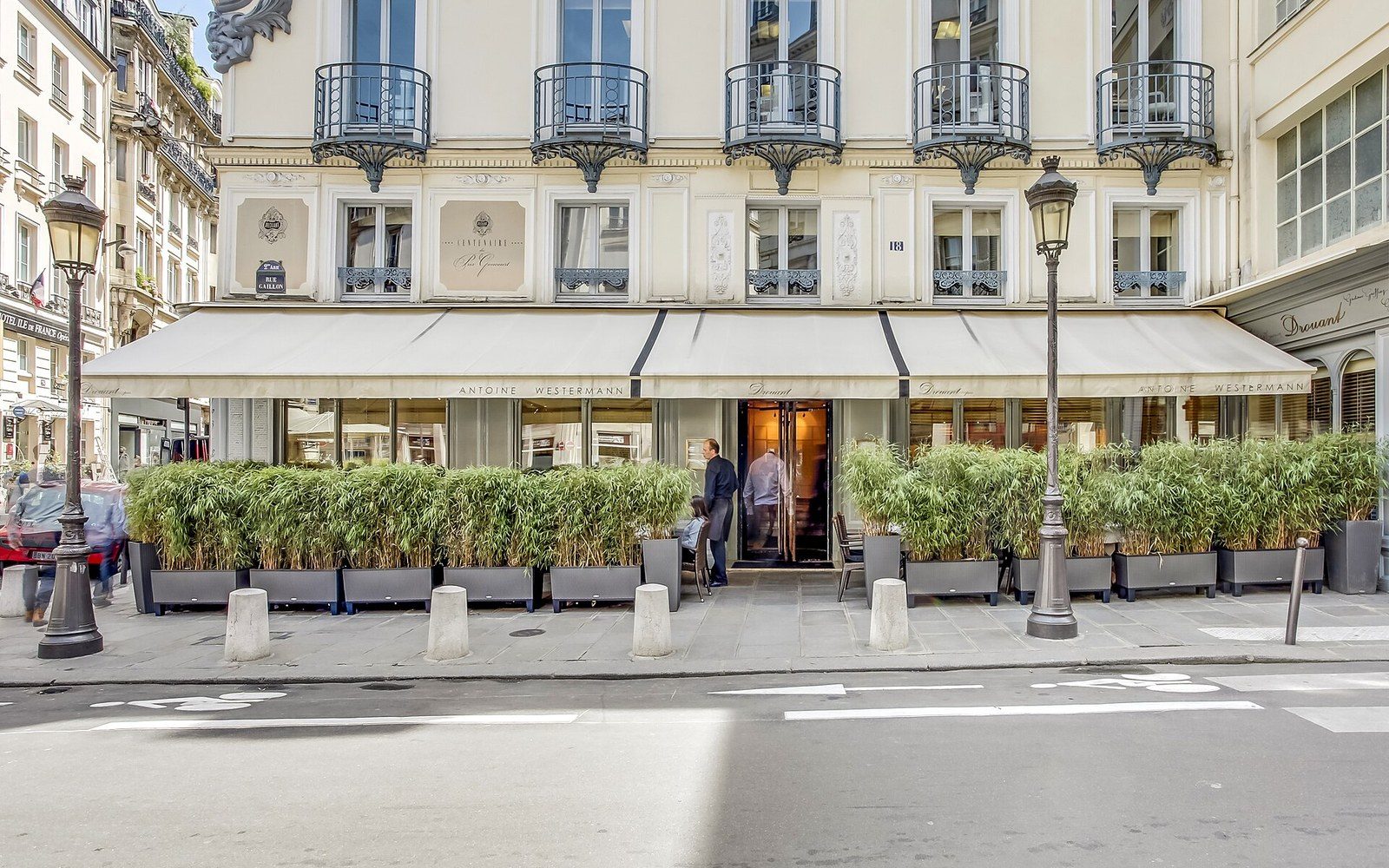
Edmond de Goncourt died in 1896 leaving instructions that would reshape French publishing. His will established an academy of ten writers, funded by his estate, whose sole purpose was to award an annual prize to "the best and most imaginative prose work of the year" — a direct counter, in spirit if not in name, to the Académie française, whose forty immortals he considered too classical, too cautious, and too male in their tastes. The Académie Goncourt was incorporated in 1902 and awarded its first prize the following year. The ten members sit for life, drawing a modest annual stipend, and meet regularly at Drouant, the brasserie on the place Gaillon in the second arrondissement of Paris, a short walk from the Opéra.
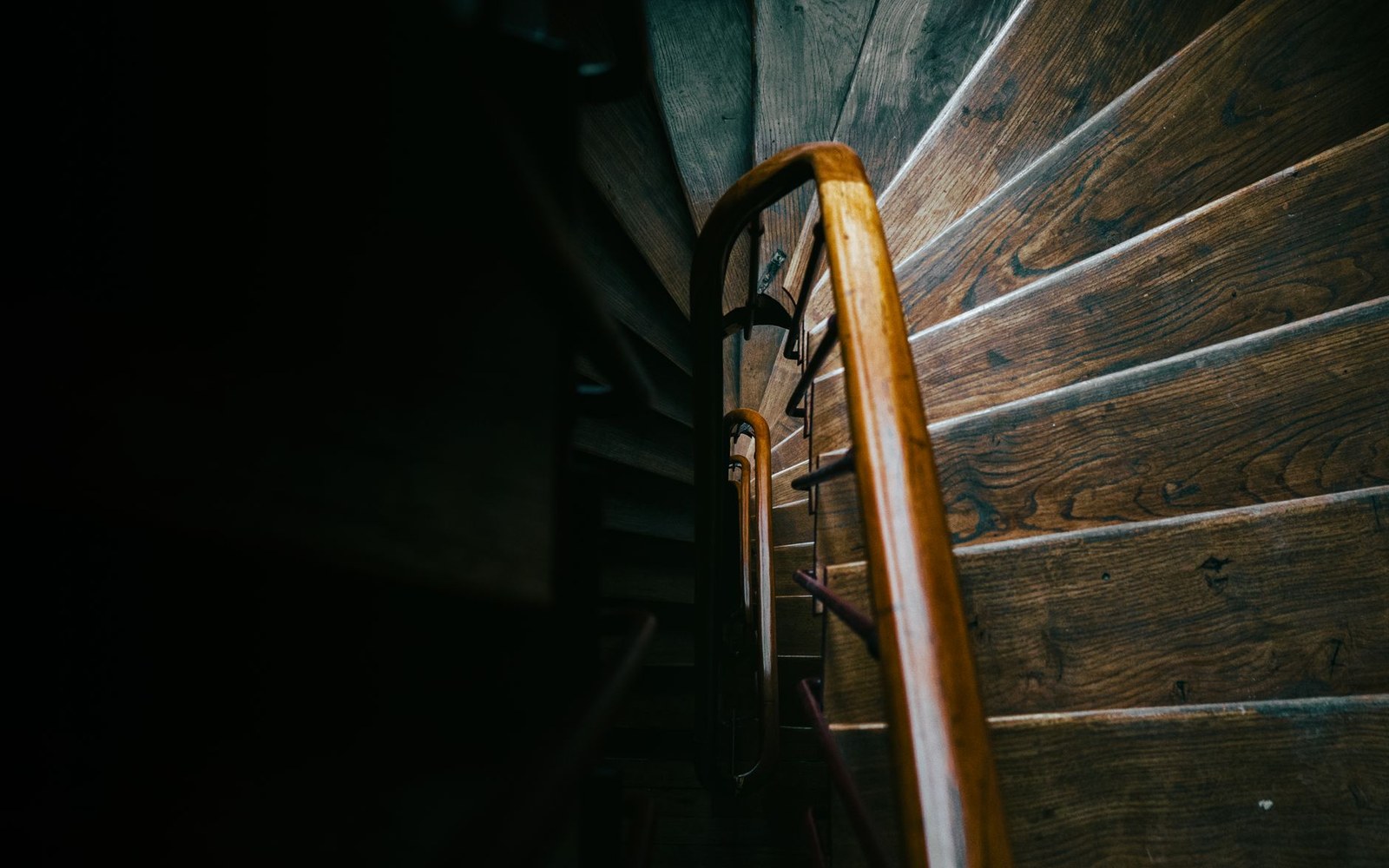
That address is not incidental. The Goncourt lunches migrated to Drouant in 1914 and have rarely left. The private dining room on the first floor — not the public brasserie below — is where the votes are cast, and the room has accumulated its own mythology: red banquettes, white tablecloths, the faint suggestion of a club. The award is announced from those rooms each November, usually on the first Monday of the month, relayed by a spokesperson standing at the door or speaking by telephone to the waiting press outside. The ceremony has never been modernised into a televised gala. The result arrives as a spoken name, repeated down a staircase and into the street.
Fifty Euros and Everything That Follows
The prize itself is, by design, almost comically small: ten euros, a sum that has been symbolic for decades and has never pretended to be otherwise. What the winner actually receives is something the prize committee cannot set a value on: near-certain bestseller status. A lauréat — prize winner — can expect sales to run into the hundreds of thousands of copies within weeks of the announcement. Publishers time print runs, translation sales, and subsidiary rights around the Goncourt shortlist before the name is even known. The commercial leverage of the prize has, over the decades, become inseparable from its literary prestige, and sometimes difficult to disentangle from it.
The membership rules enforce an unusual relationship between the academy and the industry it adjudicates. Members are writers, not publishers or critics in the professional sense, and they serve for life — resignation is rare, though not unknown. When a member dies, the remaining nine elect a replacement. The ten seats are numbered, as at the Académie française, and each carries the particular weight of whoever held it before. Edmond de Goncourt stipulated that women could join; the first female member, Judith Gautier, was elected in 1910. The academy has never expanded beyond ten.
A member who publishes a novel during their tenure is ineligible for the prize in that year, which produces the slightly surreal spectacle of sitting judges stepping out of consideration while their books circulate among readers. The academy publishes a selection list — a sélection — in the summer, followed by a shortlist in September and October, with the final vote in November. The deliberations are not public, but the shortlists are debated exhaustively in the French press, in literary supplements, and at the Salon du Livre ↗ — and in recent years on social media with an intensity the Goncourt brothers could not have imagined.
The prize in numbers
A Century of Winners
The list of Goncourt laureates is, taken whole, a compressed history of French fiction in the twentieth and twenty-first centuries. John-Antoine Nau won the inaugural prize in 1903 for Force ennemie. Marcel Proust received it in 1919 for À l'ombre des jeunes filles en fleurs, the second volume of À la recherche du temps perdu — a result that was itself contested, since several members felt that the prize should have gone to Roland Dorgelès's Les Croix de bois, and the margin of victory was narrow. The episode illustrated early on that the Goncourt's authority derived partly from its controversies.
The First World War and interwar decades produced laureates who anchored the French canon: Henry Malherbe and Maurice Genevoix; Louis-Ferdinand Céline, in 1932, was notably not among them: his Voyage au bout de la nuit was passed over for the Goncourt and given instead the Prix Renaudot. The academy's reluctance to award the prize to Voyage remains one of the most discussed decisions in the prize's history, the counter-argument being that the book was simply too raw, too long, and too syntactically violent for a majority of the ten. Robert Denoël's gamble in publishing it paid off regardless.
The postwar period brought Simone de Beauvoir to the prize in 1954 for Les Mandarins, a recognition both of her literary standing and of the intellectual world of Saint-Germain-des-Prés ↗ that the novel anatomised. Marguerite Duras received the prize in 1984 for L'Amant, late in a career that had long operated at the centre of French literary life. Patrick Modiano, who would go on to win the Nobel Prize in Literature in 2014, received the Goncourt in 1978 for Rue des boutiques obscures. Michel Houellebecq won in 2010 for La Carte et le territoire. Annie Ernaux — who received the Nobel Prize in 2022 — never won the Goncourt; her relationship with autofiction and the memoir-adjacent form she developed sat, for much of her career, somewhat outside the prize's preferences for the conventional novel.
Selected laureates across the century
Several laureates are now almost entirely unread; others have outlasted every critical fashion. That disproportion is not unique to the Goncourt, but it is perhaps more visible because the prize is so intensely covered at the moment of its announcement and so rarely revisited ten years later. The Goncourt tends to reward ambition, density, and formal seriousness, but it has also rewarded accessible historical fiction and books that simply arrived at the right moment. No single criterion has held for a hundred and twenty years.
The Room at Drouant, Still
What distinguishes the Goncourt from most literary prizes is not its money or even its sales effect but its theatricality of restraint. No stage, no lectern, no televised envelope. The lunch is eaten, the vote is taken by a show of hands or a written ballot, and a name is spoken aloud. The restaurant downstairs carries on serving. The prize has survived two world wars — the occupation interrupted but did not permanently disrupt the sequence — and several attempts at institutional reform. The Académie Goncourt ↗ has launched subsidiary prizes over the decades: the Prix Goncourt de la poésie, the Goncourt du premier roman, the Goncourt de la nouvelle. None carries the weight of the original.

In November, the upstairs room at Drouant fills. Journalists wait in the street below. A telephone call is placed to a publisher's office, or a spokesperson appears at the door. A name is announced. In the hour or two that follow, a print run is committed to paper, a translation market shifts, and a writer's career changes tense — from future to established fact.