Also in Prizes
Forty Chairs, Numbered, and One Is Always Empty
The Femina Was Founded Because the Goncourt Would Not Have Women
France's second prize comes out of the same lunch, from the same address, sixty minutes behind the Goncourt — and has sometimes outrun it.
A journalist's prize, founded by journalists
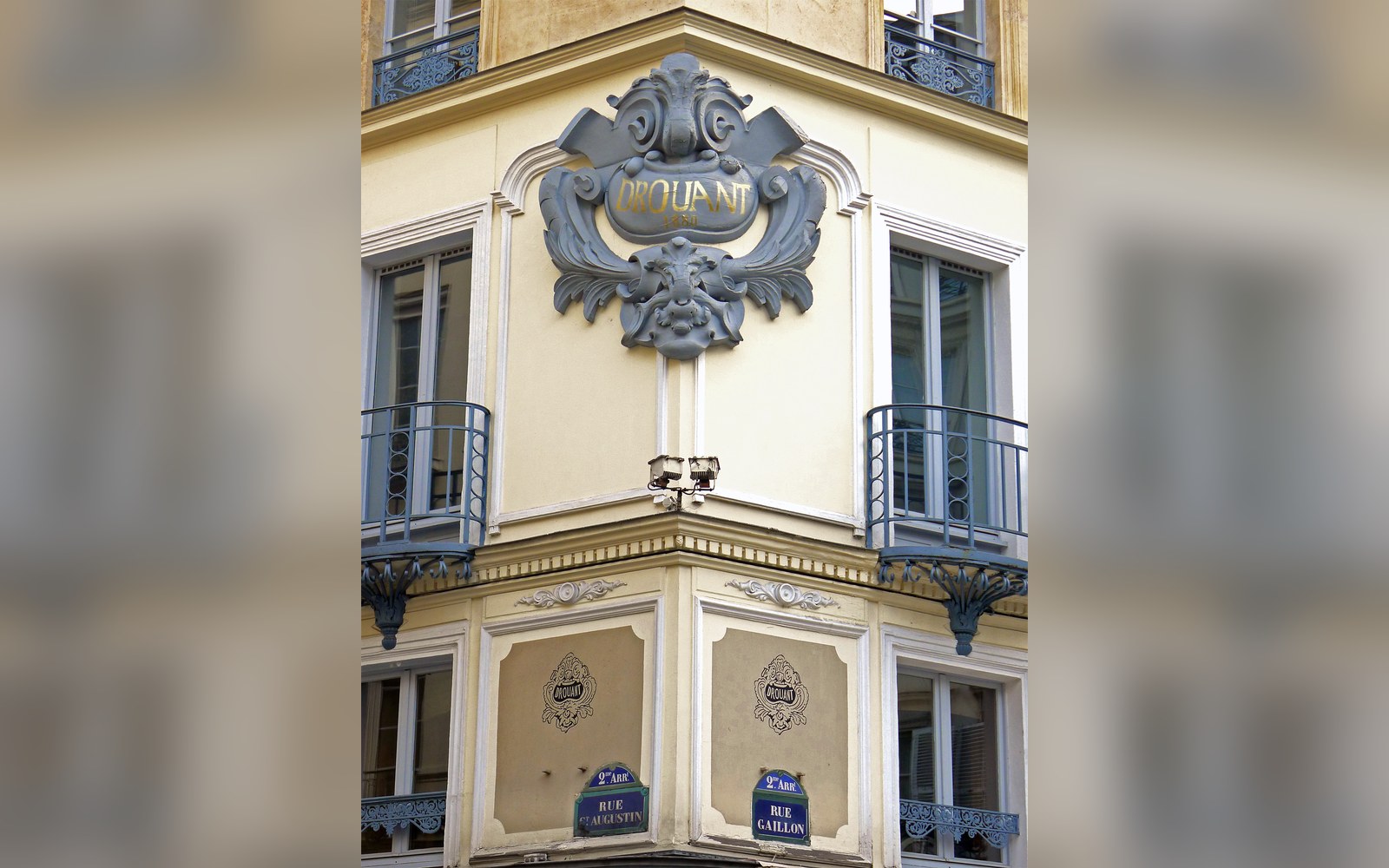
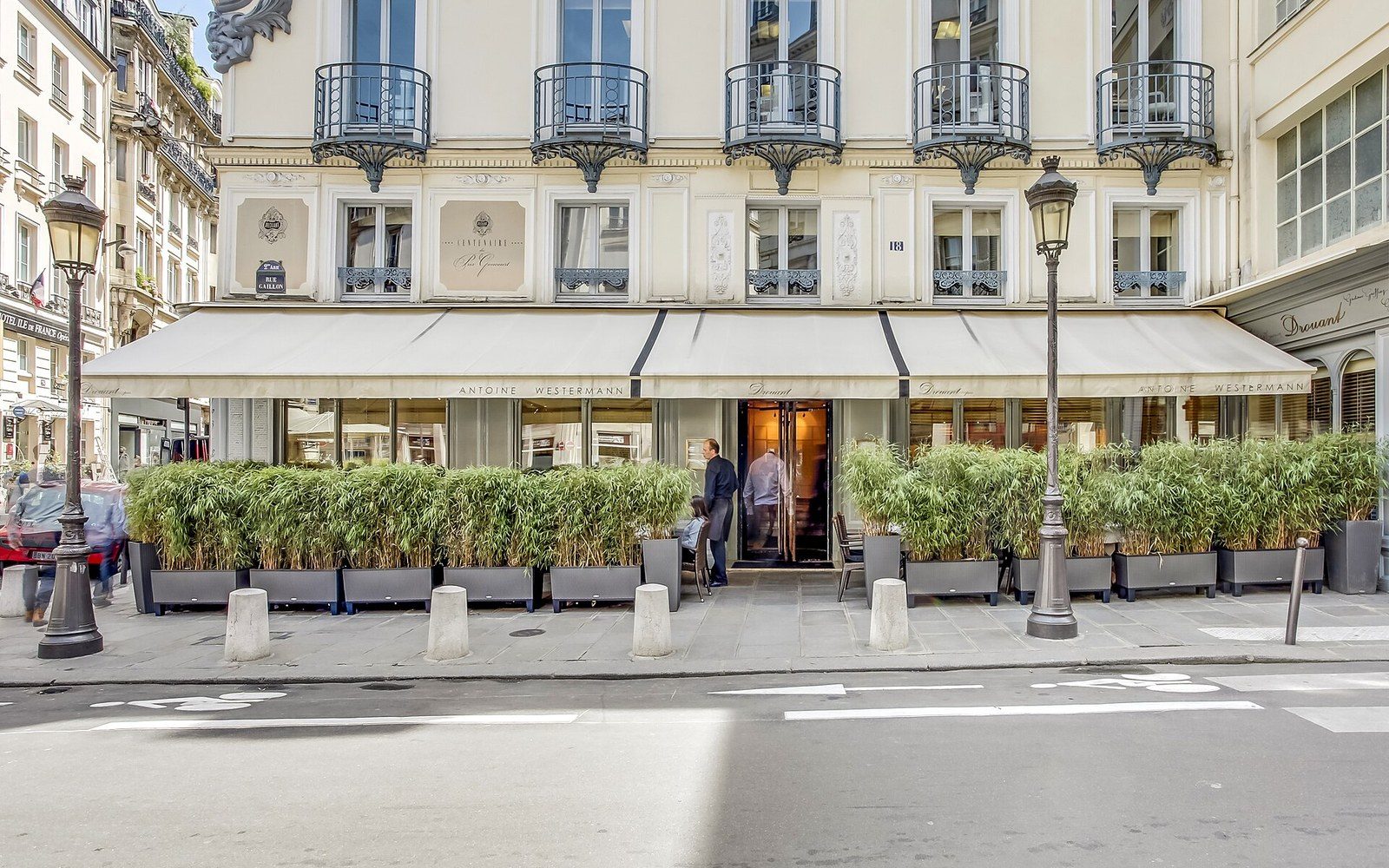
The Prix Renaudot was created in 1926 by a group of critics and journalists who gathered regularly at the Drouant restaurant in Paris — the same building where the Académie Goncourt awards its prize each November. The founding impulse was corrective: Renaudot's jury wanted to honour books the Goncourt had passed over, and to do so on the same day, in the same place, with an announcement timed to land one hour after the Goncourt verdict. The structure was a provocation in miniature, and it has remained unchanged for nearly a century.
The prize takes its name from Théophraste Renaudot ↗, the seventeenth-century physician and publicist who founded La Gazette in 1631 — generally considered the first French newspaper. Naming a literary prize after him was a declaration of intent: this was a prize with ink in its veins, run by people who wrote for a living rather than by the kind of literary mandarins who populated the Goncourt academy.
Winners who outran the prize
The Renaudot has a serviceable record of recognising writers who mattered. In 1932, its jury gave the prize to Louis-Ferdinand Céline for Voyage au bout de la nuit (Journey to the End of the Night), after the Goncourt had declined it in favour of Guy Mazeline's Les Loups — a decision that literary history has judged harshly. The episode is the Renaudot's finest hour: Céline's novel had already been rejected by Gallimard before Robert Denoël published it, and the Renaudot's recognition helped establish a book that would prove one of the defining works of twentieth-century French prose.

Georges Perec won in 1965 for Les Choses (Things: A Story of the Sixties), his debut novel, before he became the Oulipo writer he is now remembered as. Patrick Modiano, awarded the Nobel Prize in Literature in 2014, received the Grand Prix du roman de l'Académie française in 1972 for Les Boulevards de ceinture (Ring Roads).
Key dates
- 1631Théophraste Renaudot founds La Gazette, France's first newspaper
- 1926Prix Renaudot established by a group of Parisian critics and journalists
- 1932Céline wins for Voyage au bout de la nuit, the year the Goncourt went to Guy Mazeline
- 1965Georges Perec wins for Les Choses
- 2014Modiano receives the Nobel Prize in Literature
The prize carries no cash endowment worth noting, but the commercial impact of winning — or of losing the Goncourt and winning the Renaudot instead — is real. Publishers have learned that the one-two announcement structure drives sales of both books simultaneously, and the Drouant building on the Place Gaillon effectively becomes a prize factory for one afternoon each autumn. The Renaudot does not pretend to be the Goncourt. It has simply been in the same room long enough to know what the Goncourt missed.