Also in Writers
Colette's Name, Colette's Credit
Rimbaud Stopped Writing at Twenty
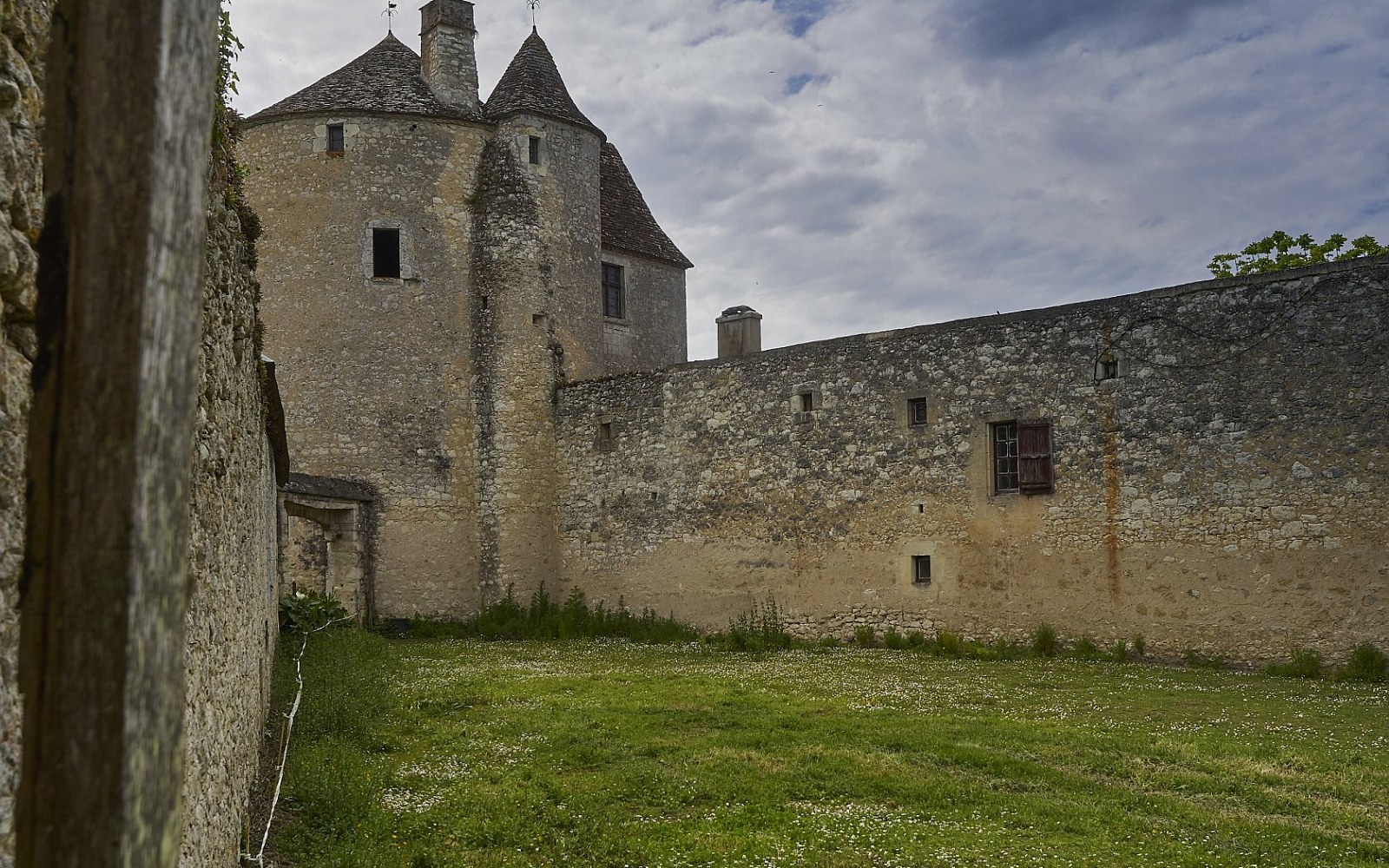
On 28 February 1571, Michel de Montaigne turned thirty-eight, resigned from the Bordeaux parlement, and retreated to a round room at the top of his château. Nine years later, a printer in Bordeaux put his name to something nobody had a word for yet.
The Room Above the Vines
The tower at the Château de Montaigne ↗, in the Périgord hills east of Bordeaux, was not a hermit's cell. It was a working structure with three floors: a chapel at the base, an antechamber above it, and at the top the library — circular, perhaps five metres across, its curved walls lined with shelves holding close to a thousand volumes. Montaigne could see the entirety of his books from a single chair. He had more than fifty sentences from classical and scriptural texts painted directly onto the ceiling beams, a practice that gave him, in effect, a permanent commonplace book above his head. Some of those inscriptions remain legible today, in the room that survived while the château itself burned in 1885 and was rebuilt.
The retirement was deliberately staged. Montaigne had a medal struck to mark the occasion, recording in Latin that he had withdrawn to the bosom of the learned virgins — the Muses — to pass what remained of his life in freedom, tranquillity, and leisure. The gesture had ancient precedent; the Roman ideal of otium, scholarly ease, was something a humanist could aspire to in 1571 without irony. But what Montaigne actually did in the tower was neither leisure nor rest. He wrote.
His library was a working collection, accumulated in part from the books of his friend Étienne de La Boétie, who had died in 1563. La Boétie had been the great friendship of Montaigne's life, and the Essais circle back to that loss repeatedly, most famously in the essay on friendship, which refuses to explain the attachment in any terms other than parce que c'était lui, parce que c'était moi — because it was him, because it was me. The library was therefore not merely intellectual furniture; it was a memorial space, too.
Writing Against Memory
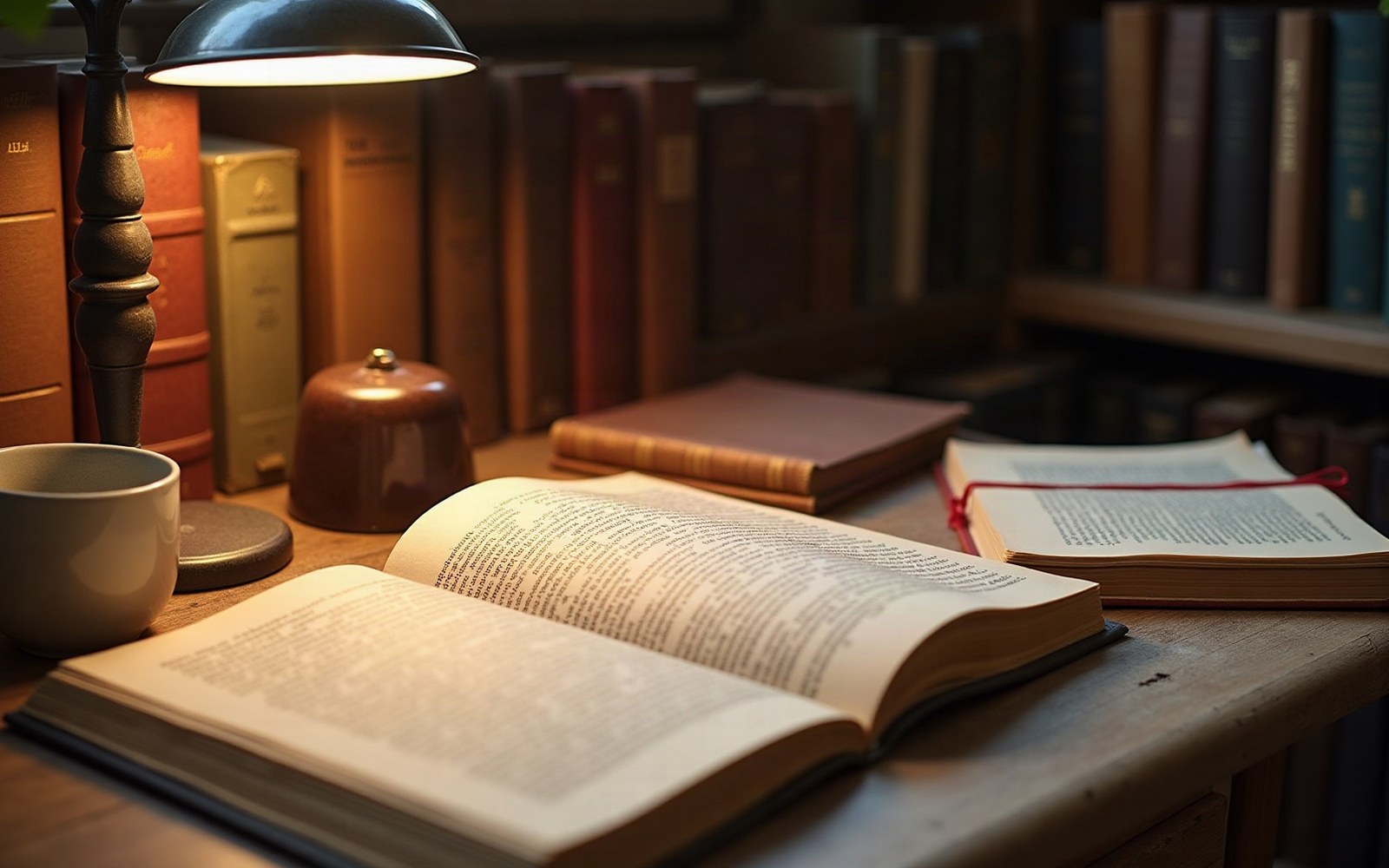
Montaigne's working method was accumulative and digressive by design. He began, apparently, by reading and annotating — copying passages from classical authors, then responding to them, then following the response wherever it led. The early essays in the first two books, published by Simon Millanges in Bordeaux in 1580, are often short: a page or two in which a Roman anecdote prompts a reflection, which prompts a counter-example, which circles back changed. The longer essays — Apologie de Raimond Sebond, for instance, running to tens of thousands of words — are less arguments than investigations that refuse to settle.
He called the form essais: attempts, trials, probings. The word was not new in French, but his application of it to a literary mode was. The Essais ↗ are not confessions, not memoirs, not moral treatises, though they draw on all three traditions. Their novelty is the insistence that the self is the only instrument of inquiry available, and that this instrument is unreliable, shifting, and therefore endlessly interesting. "Every man carries the whole form of the human condition within him," he wrote, by way of justifying the project's scope.
The object and its layers
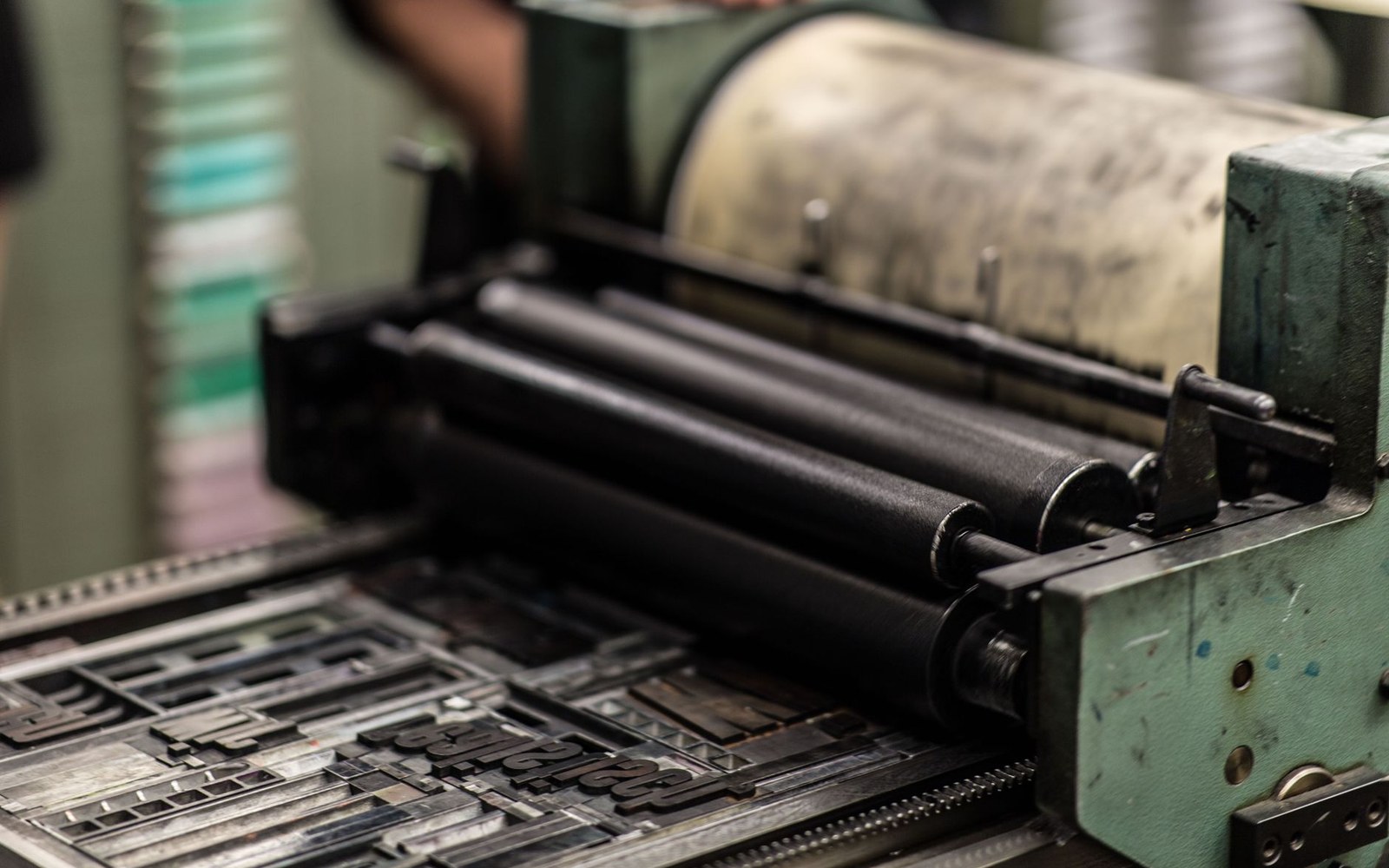
The first edition of 1580 comprised two books, running to some 580 pages as printed by Millanges — a Bordeaux printer whose shop on the rue Saint-James was the obvious choice for a former parlementaire with local connections. The text was not a finished thing. Montaigne's practice was to revise and expand across his lifetime, and the copy he worked on continuously — now known as the exemplaire de Bordeaux — carries his handwritten additions over a printed text, layering decades of thought onto the original sentences. A third book of thirteen essays appeared in 1588 ↗, published in Paris by Abel L'Angelier, and Montaigne was still annotating the work when he died in 1592.
What He Made and What Came After
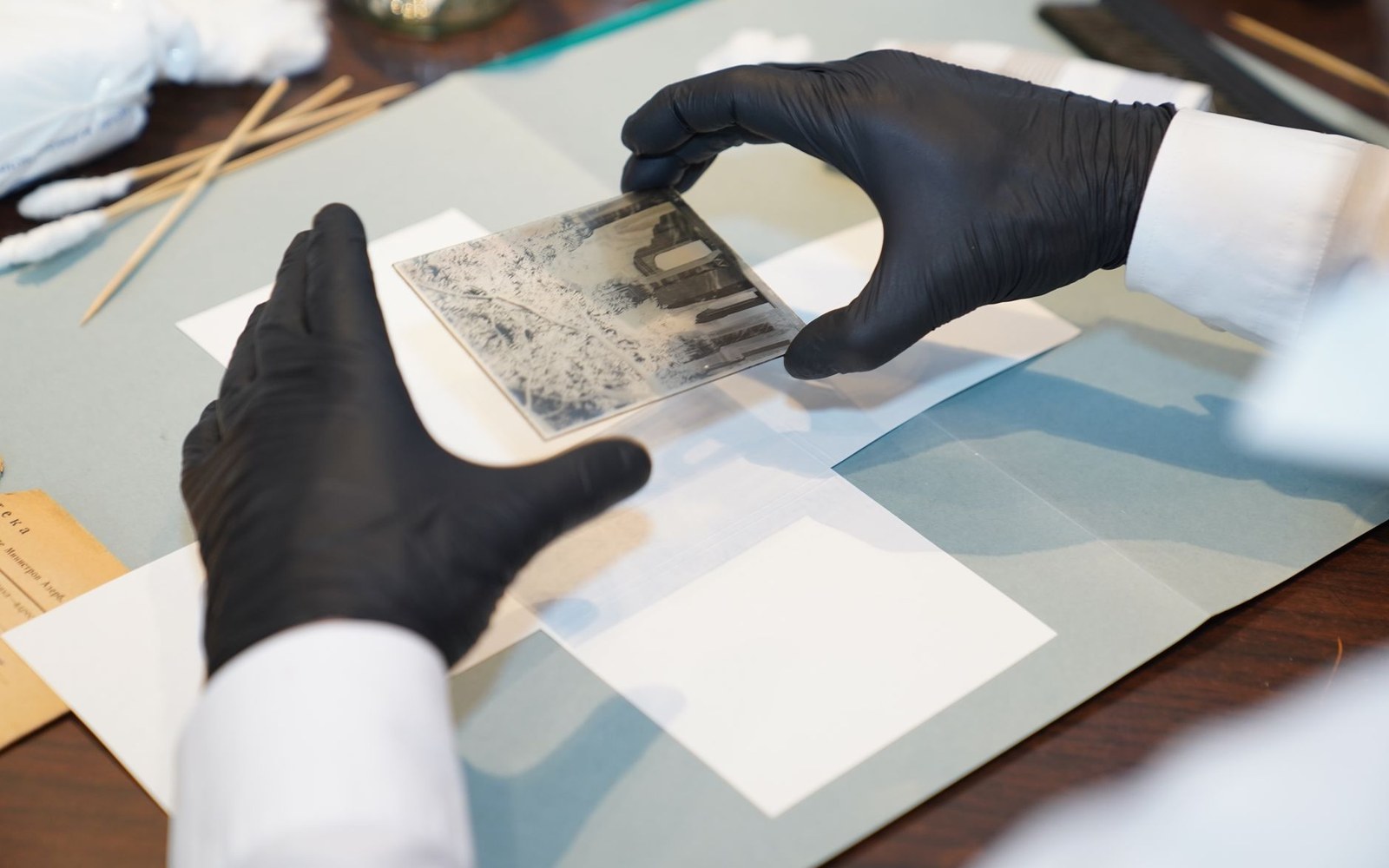
The exemplaire de Bordeaux is held at the Bibliothèque municipale de Bordeaux and is, by any measure, one of the most significant manuscripts in French literary history — a printed book that became its own manuscript through the author's refusal to stop writing. The distinction between edition and draft collapses in it.
What Montaigne had invented — though the word is too decisive for a form he kept questioning — was personal reflection as a literary mode with intellectual rigour behind it. The self was not confessed but examined. Doubt was not a failure of argument but its engine. The sentence moved by accumulation and qualification rather than by classical rhetoric's periodic architecture. Later writers in French would return to these strategies repeatedly: Pascal's Pensées are unfinished fragments that read like Montaigne stripped of self-satisfaction; La Bruyère's Caractères push the observation of self outward onto society; Rousseau's Confessions claim Montaigne as a predecessor while systematically refusing his irony.
In the twentieth century, the Essais fed a tradition of writerly self-inquiry that has no clean name in French criticism — it is neither autofiction nor autobiography, though it borders both. André Gide kept journals for sixty years partly in conscious dialogue with Montaigne. Roland Barthes's last seminars at the Collège de France explored the possibility of writing the self without fixing it, a problem Montaigne had set loose in 1580.
Chronology
- 1563Death of Étienne de La Boétie; Montaigne inherits his library
- 28 February 1571Montaigne resigns from the Bordeaux parlement; the commemorative medal is struck
- 1571–1580Composition of books one and two in the tower library
- 1580First edition published by Simon Millanges, Bordeaux
- 1588Third book and expanded edition published by Abel L'Angelier, Paris
- 1592Montaigne dies; the exemplaire de Bordeaux left annotated but unpublished in its final form
The tower still stands, the beam inscriptions still faintly legible. The beams record Sextus Empiricus, Ecclesiastes, Horace — the thinkers who told Montaigne that certainty was unavailable and that this was not a tragedy. The room is small enough that you can hold it in one glance, as he could hold his books. He named that circularity, the self looking at the self looking, and spent twenty years building a form adequate to it.