Also in Rooms
Two Shops, One Name, Two Streets
The Flore in 1945 Was Not What People Think It Was
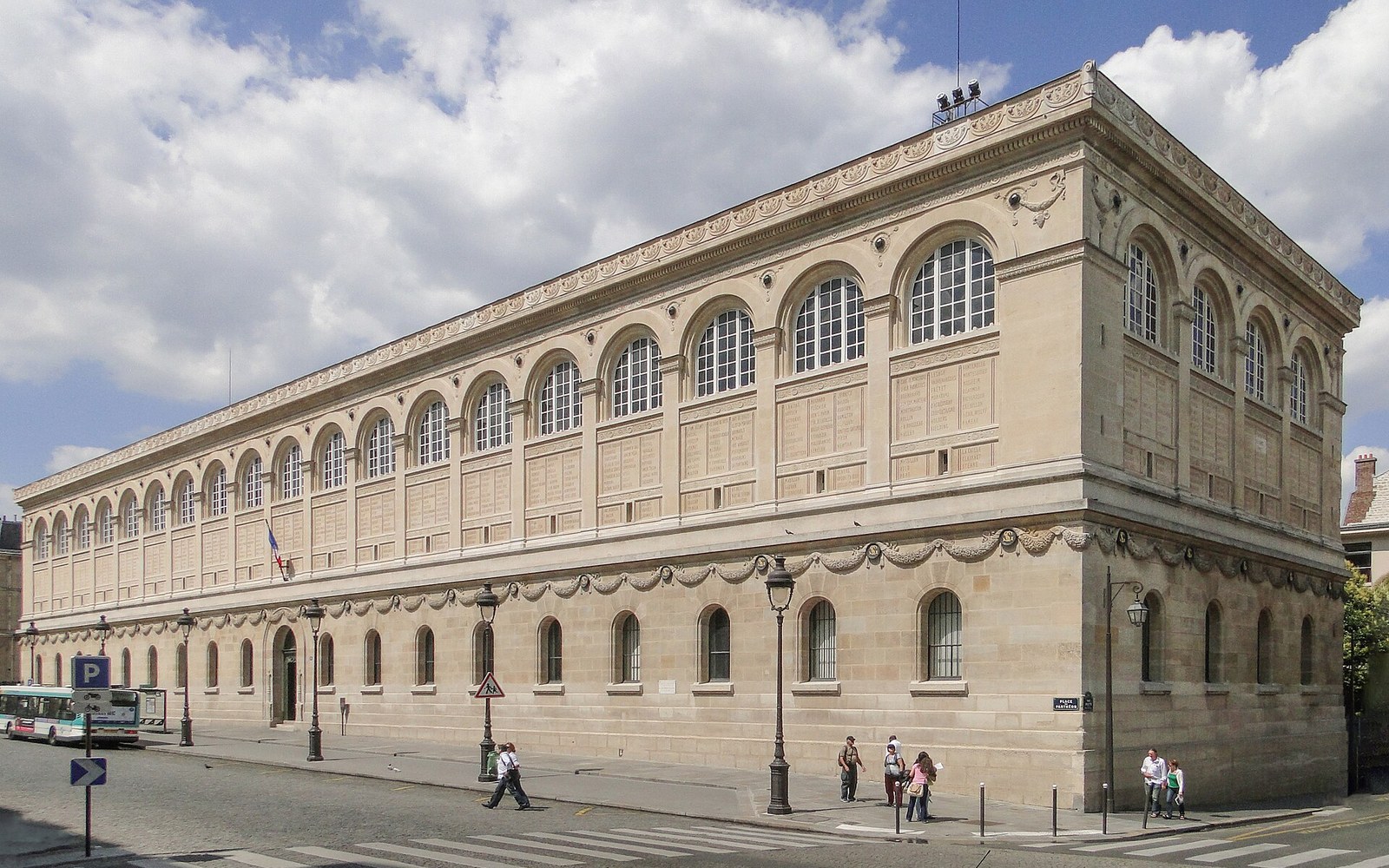
The Bibliothèque nationale de France does not own the collected memory of French literature. It owns the first drafts, the hesitations, the crossed-out words. Held across several reading rooms — chiefly at the Richelieu site on the rue de Richelieu in the 2nd arrondissement — the département des manuscrits preserves autograph documents that no printed edition, however scrupulous, can fully replace.
The holdings are substantial. Flaubert's papers include working manuscripts for Madame Bovary and L'Éducation sentimentale, dense with cancellations in brown ink. Reading them, you understand the gueuloir — the room at his Croisset house where he tested sentences aloud — as something more than anecdote: every visible revision records a rhythm judged and rejected. The manuscripts show not a writer who found perfection but one who triangulated toward it, filling the margins with alternatives before committing, sometimes, to none of them. A printed text gives you the destination. The manuscript gives you the argument.
Victor Hugo's papers at the BnF run to thousands of folios, including drafts from the years of his exile on Guernsey. The handwriting shifts between the lyric compression of the verse and the vast, scaffolded planning of the prose: marginal sketches, numerical schemes, self-addressed reminders. Balzac's manuscripts reveal something different again — the notorious system of proof correction through which he rewrote entire novels at the galley stage, expanding published texts by a factor that drove his printers to threaten surcharges. The manuscripts show the earlier layer, before the corrections became their own kind of rewriting.
Charles Baudelaire's autograph drafts of poems later collected in Les Fleurs du mal ↗ give unusual documentary access to a poet whose finished poems read as if arrived at fully formed. They do not always read that way in draft. Word choices that look inevitable on the page are in some cases third or fourth alternatives; stanza breaks shift. The prosecution of the collection in 1857 for outrage aux bonnes mœurs — the charge of offence to public morality — makes it possible to read the surviving legal record and the surviving manuscript in counterpoint, each illuminating what the other was about.
Manuscript holdings mentioned
Proust's papers are among the most studied in the collection. The BnF holds a large portion of the manuscript material for À la recherche du temps perdu, including the notebook drafts and the heavily corrected typescripts on which he continued to revise, adding his characteristic accordion-fold inserts — slips of paper pasted into the margins to extend a sentence or paragraph already set — up to and through the proof stage. The physical documents clarify why the Gallimard editors who handled the later volumes after Proust's death in 1922 faced such editorial complexity: the author's intention and his final text were not always the same thing.
Reading Room Conditions and What They Imply
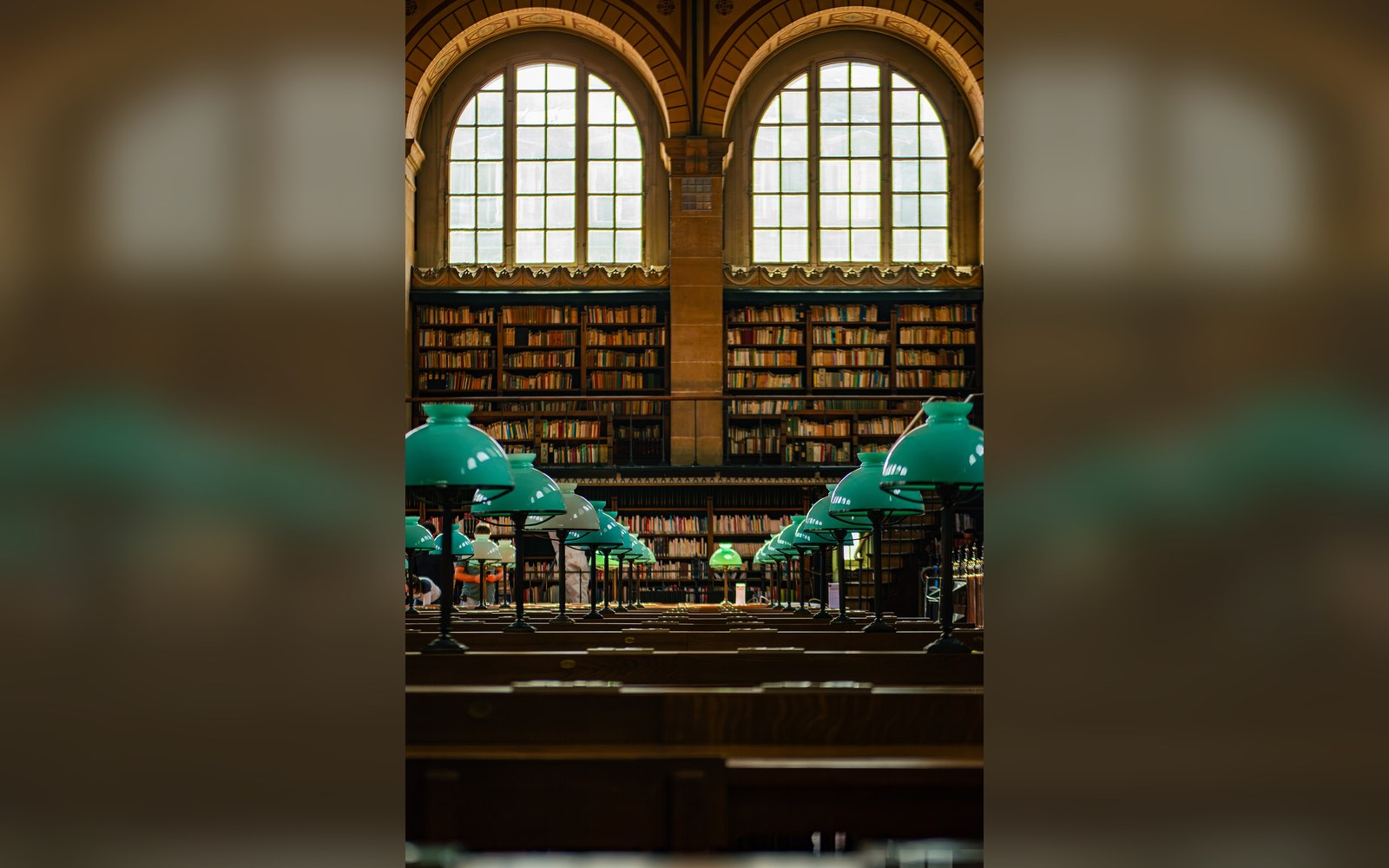
Access to original manuscripts at the BnF Richelieu is by appointment, through the département des manuscrits. Readers must hold an accredited library card, demonstrate a legitimate research purpose, and work with white cotton gloves provided on site. Cameras without flash are generally permitted for personal research use, subject to conditions applied per document. Certain items, where fragility demands it, are available only through high-resolution digital surrogates on the BnF's Gallica platform, the online library that has made a significant share of the holdings freely searchable without institutional access.
The conditions are, in practice, a form of interpretation. Handling a manuscript changes what a researcher notices. The paper weight of Baudelaire's drafts, the pressure Flaubert applied to his pen, the physical size of Hugo's notebooks relative to the scale of his projects — none of this survives digitisation with full fidelity. Gallica makes the visual surface available; the reading room makes the object available. The two are not equivalent, and the BnF makes no pretence that they are.
How access works
What the department ultimately preserves is not a clean record of French literary achievement. It is a record of literary work — in the technical sense: the labour, the doubt, the visible cost of making a sentence. Every crossed-out line is a decision documented in a way that no critical edition, however annotated, can reproduce on the page it occupies.