
Also in Novels
Candide Written in Three Weeks, Denied by Its Own Author
What the Paper Knife Was For
In the autumn of 1912, Marcel Proust sent a manuscript to two of Paris's most established publishers and was turned down by both. The book was what would become the first volume of À la recherche du temps perdu — In Search of Lost Time — and the publishers who declined it joined a list that includes, depending on how the correspondence is counted, at least four houses. Fasquelle rejected it; so did the reading committee at Gallimard, then operating almost entirely under the authority of La Nouvelle Revue Française. The refusal that stung most was reportedly Gallimard's, where the reader assigned to the manuscript — André Gide himself — returned it without recommendation. Proust paid a younger, commercially shrewder publisher named Bernard Grasset to produce the book at his own expense. It appeared in November 1913, and within four years Gallimard had reversed course entirely.
The rejections
The mechanics of rejection in French publishing in 1912 were not so different from today. A manuscript went to a house; the house assigned a reader; the reader reported; the editor decided. What was unusual about Proust's case was the quality of the readers who said no. Fasquelle, which had published Zola and his circle through the Naturalist decades, found the book too long and too introspective for its list. The NRF committee at Gallimard was at that moment shaping itself as the arbiter of French literary modernism, which makes the rejection particularly ironic in retrospect. Gide, examining the pages sent by Proust, is said to have encountered the opening cork-lined-room sections, found them the work of a social dilettante, and declined to engage further. He later called this the worst mistake of his reading life, in a letter to Proust of January 1914..
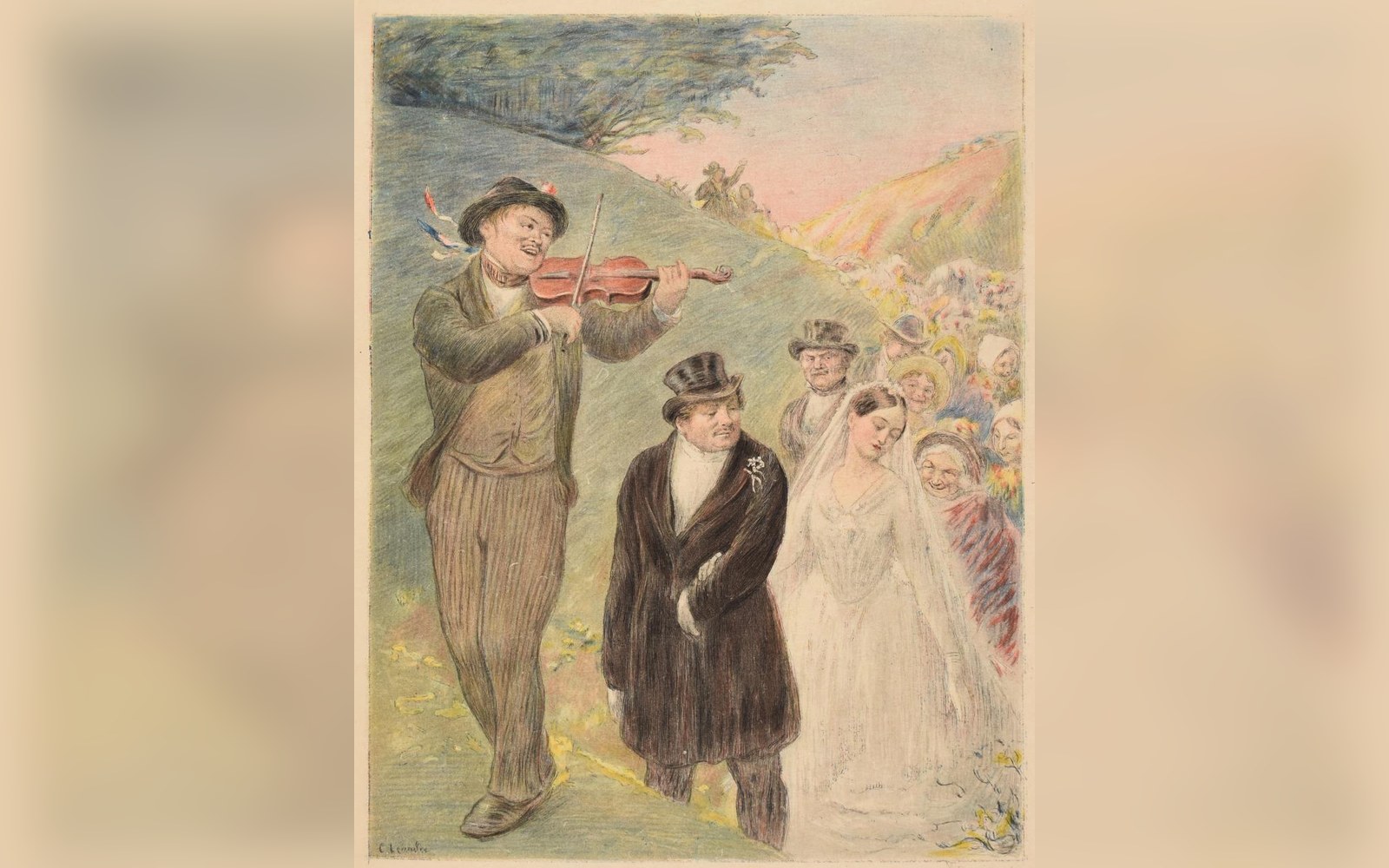
The scale of the manuscript was itself a problem. The book Proust submitted in 1912 was not simply Du côté de chez Swann: he was offering what he conceived as a single, enormous novel in three volumes. Publishers looking at projected print runs, production costs, and a readership that associated long fiction with Balzac or the Naturalists — not with the sinuous, clause-accumulating prose of an asthmatic aristocrat who rarely left his cork-lined bedroom at 102 Boulevard Haussmann — were understandably cautious. The return postage on Proust's rejected pages has become a legend of French literary history: the parcels came back too large for standard post.
The Grasset arrangement
Bernard Grasset had founded his house in Paris in 1907 and was building a reputation for commercial instinct and a willingness to take unconventional risks. He also, at this point in his career, accepted what French publishing calls tirage à compte d'auteur: author-funded publication, in which the writer bears the production costs and the publisher handles distribution and takes a commercial percentage. This was not subsidy publishing in the pejorative sense; it was a common arrangement for first books or manuscripts a publisher liked but could not justify financing alone. Proust negotiated with Grasset through the summer of 1913 and agreed to pay for the print run himself.
The terms gave Grasset a commercial incentive — he would profit from sales without having staked his own capital — while giving Proust what he needed: a legitimate publisher, a real print run, and the authority of a house imprint rather than private circulation. Grasset, for his part, also agreed to what would now be called a publicity campaign. Proust, socially connected and obsessively attentive to his own reception, placed notices and secured attention from critics. The first edition of Du côté de chez Swann appeared on 14 November 1913 under the Grasset imprint. Reviews were mixed but the book was noticed. The young critics around the NRF, including Henri Ghéon, responded with genuine enthusiasm. The novel sold modestly but moved in the right circles.
The publishing timeline
- 1907Grasset founds his Paris house
- 1912Proust submits manuscript; Fasquelle and Gallimard/NRF both decline
- Summer 1913Proust negotiates tirage à compte d'auteur terms with Grasset
- 14 November 1913Du côté de chez Swann published under Grasset imprint
- 1916–17Gallimard acquires rights; NRF reissue of Swann
- 1919À l'ombre des jeunes filles en fleurs wins the Prix Goncourt
- November 1922Proust dies; later volumes published posthumously
Proust's financial exposure in the arrangement was real. He was not a poor man — he had inherited from his parents and continued to live in a manner that required capital — but the payments to Grasset came from his own funds, and the gamble was personal as well as artistic. What he bought was not merely books but legitimacy: the ability to say, and to have reviewers say, that he had published with Grasset rather than at his own private press.
The reversal
The First World War interrupted everything. Grasset was mobilised; the house effectively suspended normal operations. Proust, unable to proceed with the remaining volumes under the original arrangement, found himself free to renegotiate. By 1916, Gide — who had by now read Swann in published form and understood his error — was actively lobbying Gaston Gallimard to acquire the rights. The reversal when it came was essentially complete. Gallimard took over publication of the Recherche from 1916 onward, and the first volume was reissued under the Gallimard NRF imprint in 1917.

The second volume, À l'ombre des jeunes filles en fleurs — In the Shadow of Young Girls in Flower — appeared from Gallimard in 1919 and won the Prix Goncourt ↗ that year, defeating books that its detractors considered more immediately legible and less demanding. The prize, and the Gallimard imprint, settled Proust's institutional position permanently. He died in November 1922 with the final volumes still incomplete; his brother Robert oversaw the posthumous publication of the closing books.
Key term
What it proved
The trajectory from rejection to Goncourt prize is sometimes told as a story of vindication — the taste-makers corrected by history. It is also a story about the economics of literary ambition. Proust could afford to fund his own first edition; most writers could not. The tirage à compte d'auteur arrangement that gave him his public debut was available to him because he had money. What Grasset provided was not charity or courage but a commercial structure that matched the risk to the person most willing, and most financially able, to bear it. That the book turned out to be the most discussed French novel of the twentieth century is not something any party to the 1913 contract could have known. What they knew was that an unusually large, unusually strange manuscript needed a publisher, and that one publisher, at least, was willing to let its author pay for the privilege.