Also in Novels
Céline's Night, Denoël's Gamble
The Novel Nobody Wanted, Printed at the Author's Expense
A French paperback bought new before the Second World War — a livre broché from Gallimard or Grasset, wrapped in its cream or yellow paper cover — arrived in the reader's hands with its pages partly sealed. To read it, you needed a coupe-papier, a paper knife: a flat blade of bone, ivory, wood or silver, drawn along the top or fore-edge of each gathering to separate the folded leaves.
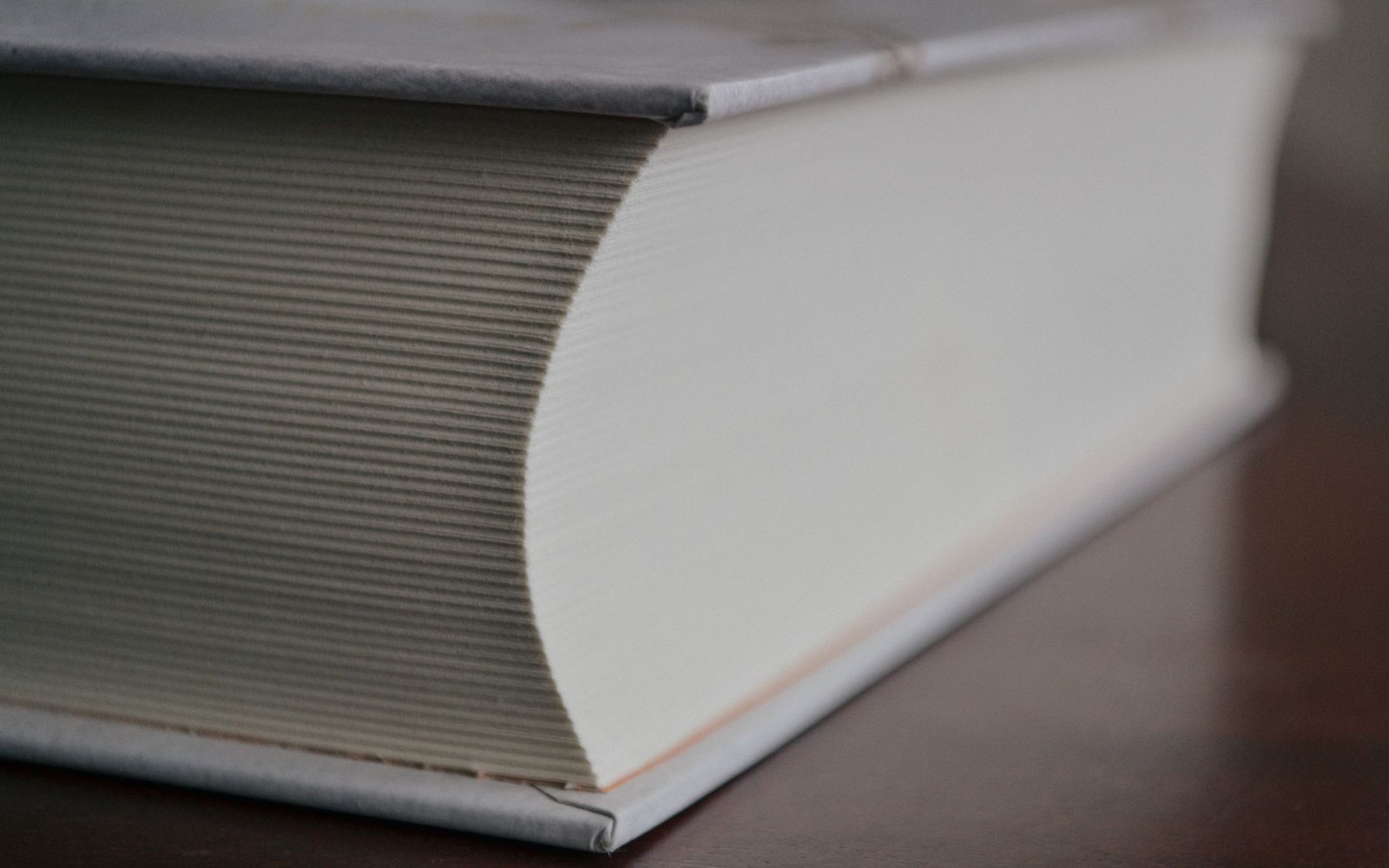
This was not carelessness on the printer's part. It was the logical consequence of how books were made from the hand-press era onward. A sheet of paper, printed on both sides, was folded once, twice, or three times to produce a cahier — a gathering of four, eight, or sixteen pages. The forme ↗, the locked frame of metal type from which each side of the sheet was pressed, determined how many pages were imposed together. Folding that printed sheet created pages in the correct sequence, but the folds at the top and fore-edges were still closed: the pages existed inside the fold rather than being cut free of it. A bookbinder's guillotine would open the fore-edge cleanly across all gatherings at once for a hardback; the cheaper broché binding skipped this step, leaving the top edge and sometimes the fore-edge for the reader.
Chronology
- Hand-press era onwardcahier folding produces closed edges as a structural consequence of imposition
- 1910s–30spartially uncut broché standard for French literary publishers including Gallimard and Grasset
- Postwar decadesthree-knife machine trimming adopted widely by French printers
- 1953Le Livre de Poche launched pre-trimmed for mass-market distribution
- livre brochéa French paperback bound in a paper cover, sold with some page edges still sealed by the fold
- cahiera folded gathering of pages, the basic unit of book construction
- coupe-papiera paper knife, the flat blade used to open folded page edges
- formea locked frame of metal type from which a sheet of pages was printed
The ritual had its adherents. Opening a book with a paper knife was proof of first reading: an uncut copy was an unread copy, and booksellers understood the distinction. By the time Gallimard was issuing its NRF cover editions in the 1920s and 1930s, the partially uncut broché remained standard for new literary titles. Proust, working through interminable proofs at 102 Boulevard Haussmann, would have been familiar with the tool.
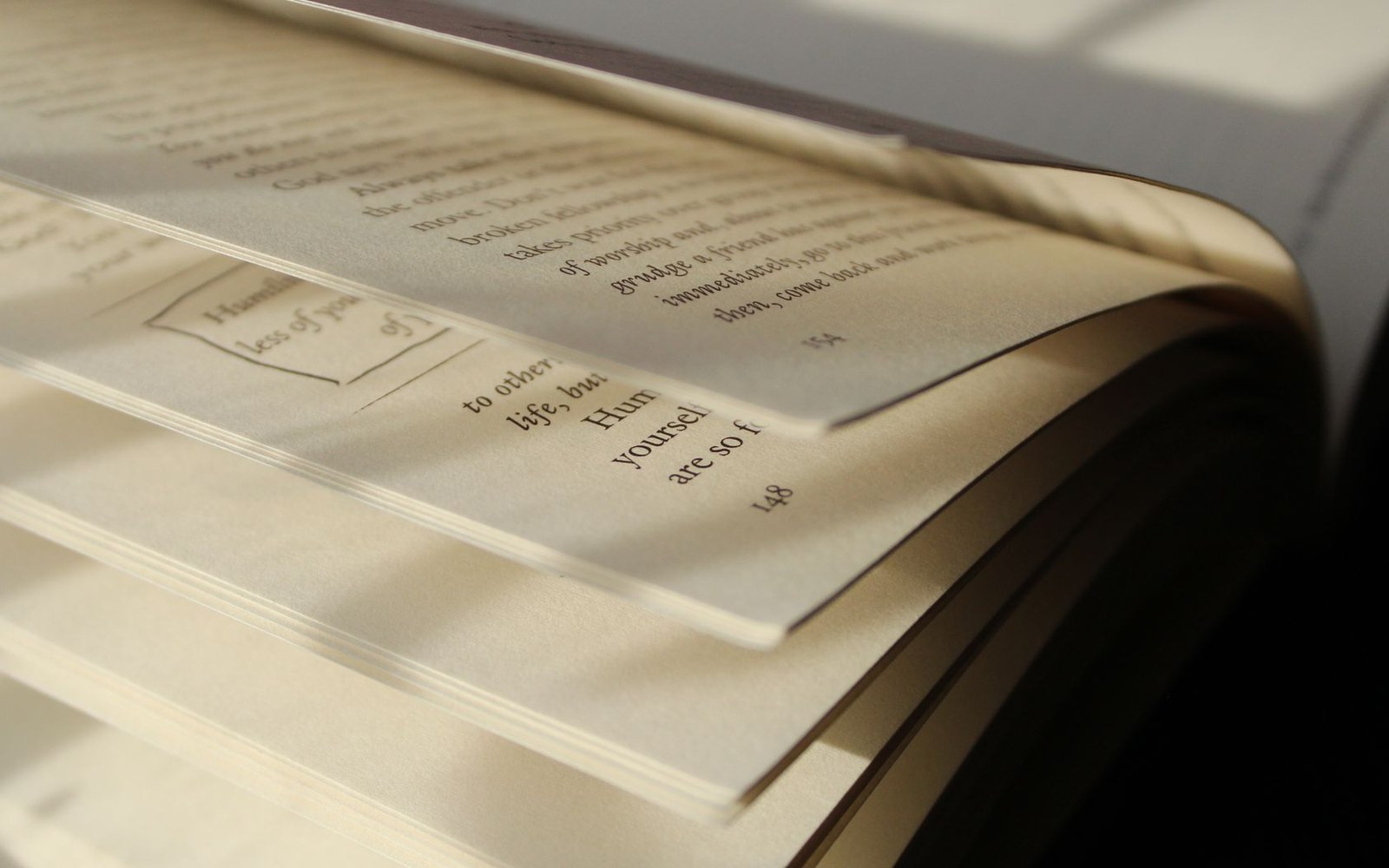
Machine-trimming eventually made the paper knife redundant. French printers adopted three-knife trimming — cutting head, foot and fore-edge simultaneously on a single machine pass — widely from the postwar decades, and Le Livre de Poche, launched by Hachette in 1953 at mass-market prices, arrived pre-cut as a matter of course. The convention faded with the craft that had produced it. Today an uncut copy in a secondhand shop is a curiosity; once it was simply what a new book looked like.