Also in Writers
Five Years on One Sentence
Colette's Name, Colette's Credit
Where Proust sealed out the world and wrote one of its longest novels
The Room He Made
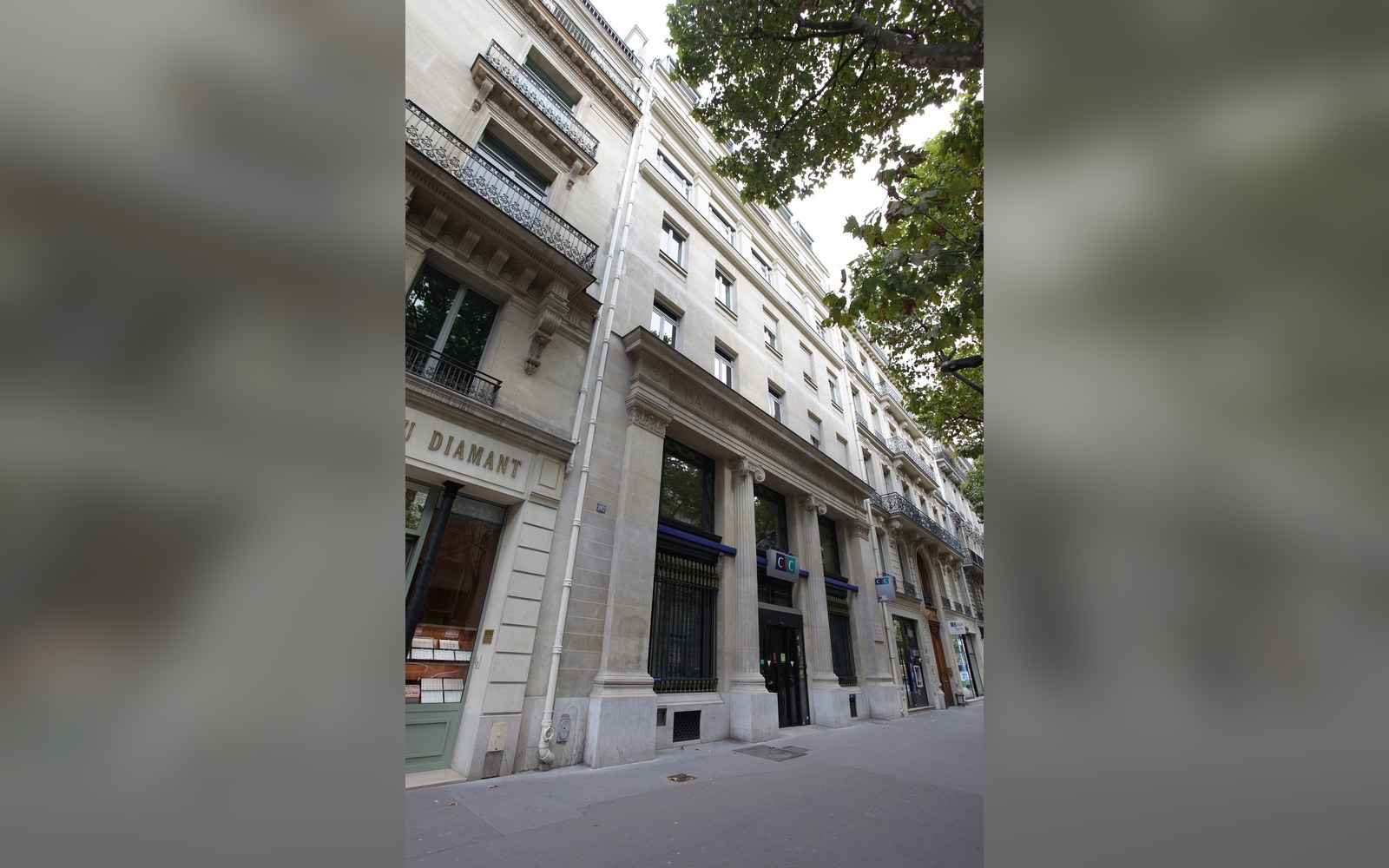
In 1910, Marcel Proust arranged for the walls of his bedroom at 102 Boulevard Haussmann — an apartment in the eighth arrondissement he had occupied since 1906 — to be lined with cork. The measure was not aesthetic caprice. Proust suffered from chronic asthma, aggravated by dust, cold air, and noise, and the boulevard outside was alive with traffic, horses, and the percussion of urban renovation. Cork was the thickest silence money could buy. The work was done by an upholsterer named Céleste Albaret's predecessor, with the final panels eventually managed by Albaret herself, who arrived in 1913 and became Proust's indispensable housekeeper for the rest of his Paris years.
Chronology
- 1906Proust moves into 102 Boulevard Haussmann after his mother's death
- 1910Cork lining of the bedroom walls completed
- 1913Du côté de chez Swann published by Grasset at Proust's expense
- 1919Proust vacates the apartment; À l'ombre des jeunes filles en fleurs wins the Goncourt
- 1922Proust dies at the rue Hamelin, sixteenth arrondissement
The room was not large. Contemporary accounts, including the recollections of Proust's brother Robert — a distinguished surgeon who also served as his most reliable biographer — describe a space dominated by a brass bed in which Proust both slept and worked. A fur-lined coat served as a supplementary blanket. On the bed were notebooks, loose paper, loose cahiers covered in Proust's famously expanding handwriting, and the apparatus of the additions he called paperoles: strips of paper pasted in concertina folds onto existing manuscript pages to extend a sentence or an episode by metres when necessary. The room was kept warm even in summer, because cold air triggered Proust's attacks; visitors noted the sealed windows and the smell of the fumigation powders he burned to clear his airways.
What He Wrote There
Between 1910 and his departure in 1919 — when the building's new owners, a bank, required him to vacate — Proust wrote the bulk of À la recherche du temps perdu in this room. The novel he entered the apartment having outlined was still recognisably one book; the one he left with had grown to seven volumes across an arc of more than three thousand pages. The first volume, Du côté de chez Swann, was completed here, rejected by Gallimard and by Fasquelle, and finally printed at Proust's own expense through Grasset in 1913. The cork absorbed the silence in which all the subsequent volumes took shape: À l'ombre des jeunes filles en fleurs, which won the Prix Goncourt in 1919, was substantially drafted at the boulevard Haussmann as well.
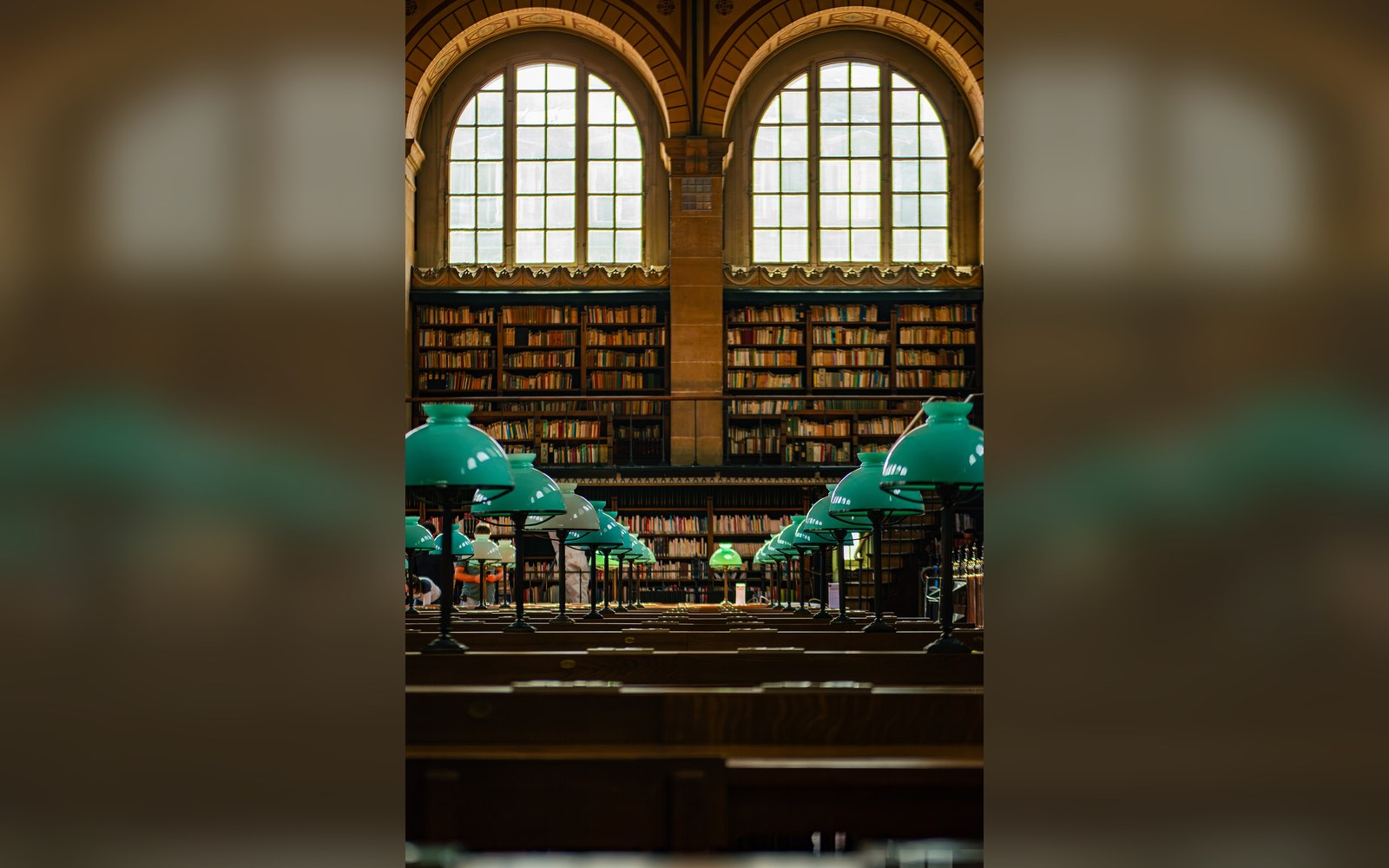
Proust worked at night and slept by day, reversing the rhythm of the city outside. Letters went out in the small hours; drafts accumulated on the bed. Robert Proust's account makes clear that the manuscripts were not merely voluminous but actively stratified — layers of revision laid over earlier layers, with the paperoles functioning as a kind of analogue hypertext, the novel growing inward as much as outward. The Bibliothèque nationale de France ↗ holds substantial portions of these manuscripts and allows researchers to trace how the book's architecture shifted across successive strata of annotation.
Terms worth knowing
After the Cork
Proust left 102 Boulevard Haussmann in May 1919 and moved, eventually, to the rue Hamelin in the sixteenth arrondissement, where he died in November 1922. The Haussmann apartment was not preserved. The bank that displaced him converted the space, and the cork lining — already a domestic measure rather than a designed interior — did not survive. What survived was the furniture Proust moved with him, now partly held by the Musée Carnavalet, which has reconstructed the bedroom using his actual brass bed, fireplace mantel, and several original furnishings. The room on display in the Marais is not 102 Boulevard Haussmann, and the cork is not there. But the objects that shared that sealed, overheated space with the novel are.